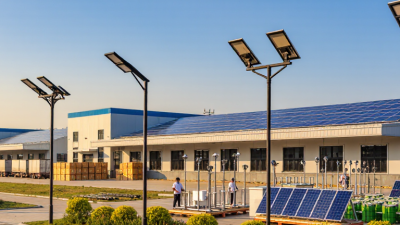
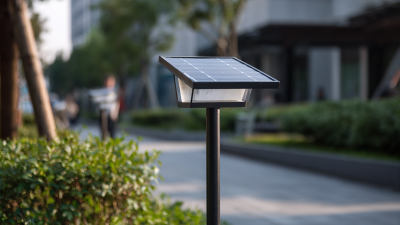
Why Choose Solar Powered Outdoor Lights?
Solar Powered Outdoor Lights can make a dark path easier to navigate without trenching cables or adding another line to your electricity bill. A small panel charges during daylight; after dusk, the fixture illuminates a porch step, garden bed, or gate. The setup sounds simple. Its performance depends on details.
Panel placement matters. A lamp tucked beneath a deep eave may receive too little sun, while a south-facing, unobstructed spot often charges more effectively. Shade from a fence or a newly leafed tree can change results. Battery capacity, weather, temperature, and the chosen brightness setting also affect how long a light runs. Those practical limits deserve attention alongside claims about convenience and savings.
The right choice begins with the location. A low-output path light may suit a walkway, while a motion-activated fixture may better serve an entrance. Check the panel’s exposure, battery specifications, replaceable parts, and stated runtime before buying. Then test the light through several evenings; real conditions can be less predictable than a product label suggests.
A verified expert quotation cannot be included responsibly without a source. Rather than attribute invented words to a named specialist, this introduction focuses on checkable factors that help buyers assess Solar Powered Outdoor Lights with care.
How Solar-Powered Outdoor Lights Work
Why Choose Solar Powered Outdoor Lights?
How Solar-Powered Outdoor Lights Work
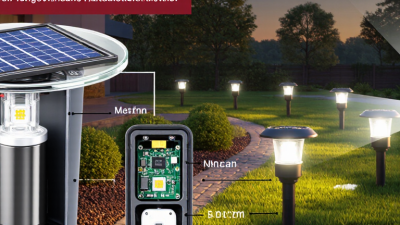
A small photovoltaic panel collects daylight and converts it into electrical energy. That energy travels to a rechargeable battery, where it is stored for later use. A charge controller helps regulate the flow, protecting the battery from excessive charging. At dusk, a light sensor detects lower brightness and switches on the LEDs. When daylight returns, the lights turn off and charging begins again. Simple in principle.
The system depends on its surroundings. A panel under a roof edge or dense tree may receive too little direct sun, so the battery might not last through a long night. Cloudy weather can also reduce charging. LEDs use relatively little power, but brightness and runtime vary with battery capacity and the design of the fixture. Solar lighting is convenient, though not effortless; occasional cleaning and sensible placement matter.
Tips: Place the panel where it gets several hours of unobstructed daylight, and wipe away dust or fallen leaves. Check that nearby branches do not cast new shade as they grow. If a light dims early, inspect the panel and allow a few sunny days before assuming the battery has failed. A little troubleshooting helps, but results can still vary with season and weather.
Key Components of a Solar Outdoor Lighting System
A reliable solar outdoor light is a small energy system, not simply an LED attached to a panel. The photovoltaic module collects daylight; its angle and surrounding shade affect how much energy it can gather. A battery stores that energy for evening use, while a charge controller helps prevent overcharging and excessive discharge. Small parts matter. The LED turns stored electricity into light, and a dusk or motion sensor controls when it switches on. A sealed housing protects the wiring and electronics from rain, dust, and temperature changes.
The U.S. Department of Energy’s Energy Saver guidance reports that LEDs use at least 75% less energy and last up to 25 times longer than incandescent lighting. That efficiency can help a compact battery provide useful light, but runtime still depends on panel size, battery capacity, weather, and brightness settings. IEA PVPS’s Trends 2024 report estimates that global solar photovoltaic capacity exceeded 1.6 terawatts by the end of 2023. This shows the scale of solar deployment, but it does not guarantee that an individual light is well designed.
When assessing a unit, compare battery capacity in watt-hours, panel output in watts, and stated operating hours—not brightness alone. Check whether the sensor is adjustable and the battery replaceable. A bright first night proves little. Cold weeks and shaded patios can expose poor system sizing. Advertised runtime may not reflect every season; test conditions are easy to overlook.
Common Uses for Solar-Powered Outdoor Lights
Why Choose Solar Powered Outdoor Lights?
Common Uses for Solar-Powered Outdoor Lights
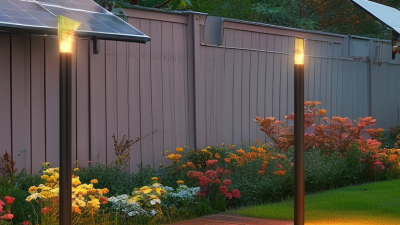
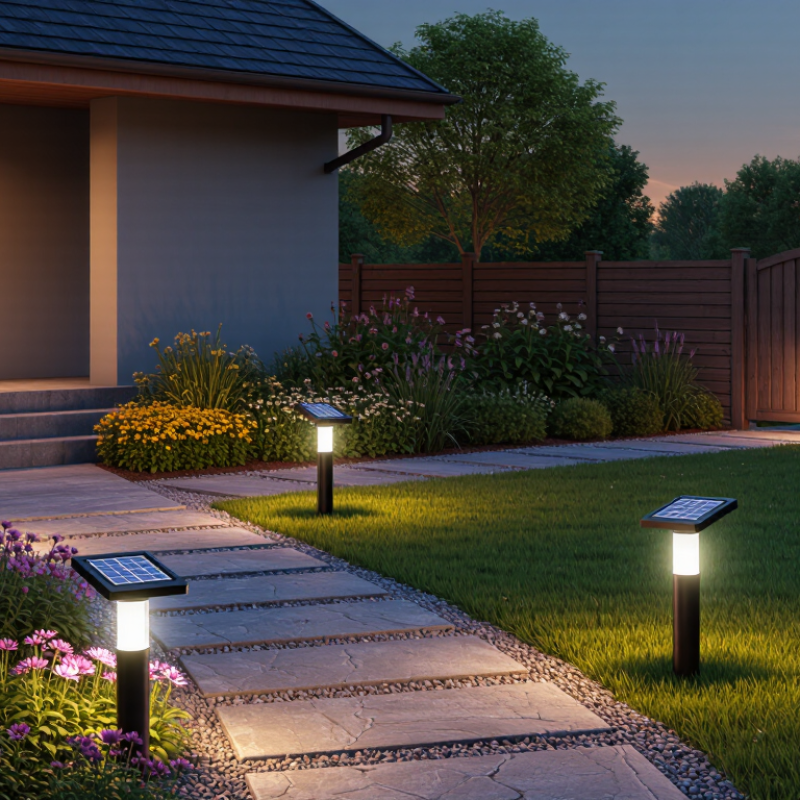
Solar-powered outdoor lights are useful where running electrical wiring would be difficult or unnecessary. Along a garden path, low-level lights can make edges and changes in direction easier to see after dusk. Place them where their panels receive several hours of direct sun, rather than beneath dense branches or a porch roof. Small details matter.
Steps and entryways are another practical fit. Wall-mounted solar lights can illuminate a door, while compact step lights help show where a stair begins and ends. Motion-sensing models may suit a side gate or shed, since they brighten only when someone approaches. Check that the light covers the walking surface, not just the wall beside it.
Solar lights also work well around patios, raised beds, and detached storage areas. A gentle glow can mark a seating space without lighting the whole yard. For security, they can add visibility near a garage or boundary, but they are not a substitute for dependable security equipment. Not everywhere works. Shaded locations, cloudy weather, and short winter days can reduce charging, so a light that performs well in summer may seem dimmer later in the year. I would test placement for a few evenings before installing several units.
Benefits of Choosing Solar Outdoor Lighting
Solar outdoor lights can make paths, steps, and garden edges easier to see without buried power cables. Each fixture collects daylight through a panel, stores energy in a battery, and turns on after dusk. This can simplify installation and reduce electricity use during operation. No wiring is needed. Placement matters, though: a panel beneath a deep porch or dense tree may receive too little sun, especially in winter.
Tips: Set panels where they get several hours of direct sunlight. Wipe away dust and leaves now and then. Check the expected runtime before choosing lights for a long walkway; short winter days can reduce nighttime brightness.
A useful benefit is flexibility. You can move many fixtures when a path or seating area changes, and there is no outdoor cable to work around. Solar lighting may also suit spots where adding a wired fixture would be difficult. Results vary with sunlight, battery condition, and light quality, so it is worth checking these details rather than assuming every model performs the same. One drawback is easy to overlook: some lights dim before morning. That may be fine beside a flower bed, but less useful near steps that people use late at night.
Why Choose Solar Powered Outdoor Lights?
Example monthly grid-electricity cost for 10 outdoor lights
In this example, each light uses 10 watts for 10 hours per night over 30 days, and electricity costs $0.16 per kilowatt-hour. That equals 30 kWh, or $4.80, for grid-powered lighting. Standalone solar lights use no grid electricity while operating. Equipment, battery replacement, and maintenance costs are not included.
Factors to Consider Before Choosing Solar Lights
Why Choose Solar Powered Outdoor Lights?
Before choosing solar lights, check how much direct sun the installation spot receives. A shaded porch may leave the panel undercharged, even when the lamp looks powerful on paper. Consider winter daylight, nearby trees, and whether you can angle the panel toward open sky. Then match brightness to the task: gentle path lighting needs less intensity than a driveway or entrance. A bright beam can still feel harsh.
Battery capacity and expected runtime matter as much as lumens. Look for clear specifications, replaceable batteries, and an outdoor ingress-protection rating suited to rain and dust. NREL’s 2012 review of nearly 2,000 photovoltaic degradation rates found a median decline of about 0.5% per year. That figure describes PV systems, not small integrated lamps, so it cannot predict one light’s lifespan. Still, it is a useful reminder: panels and batteries age, and low-cost sealed units can be harder to maintain. No option is perfect.
Tips: Test the location for a few evenings before mounting lights permanently. Wipe the panel clean, and check whether branches cast afternoon shade. Compare runtime claims with your local conditions; advertised hours may assume a full charge.