

Temporary & Portable Solar Lighting

Why Choose Exterior Solar Lights for Your Business?

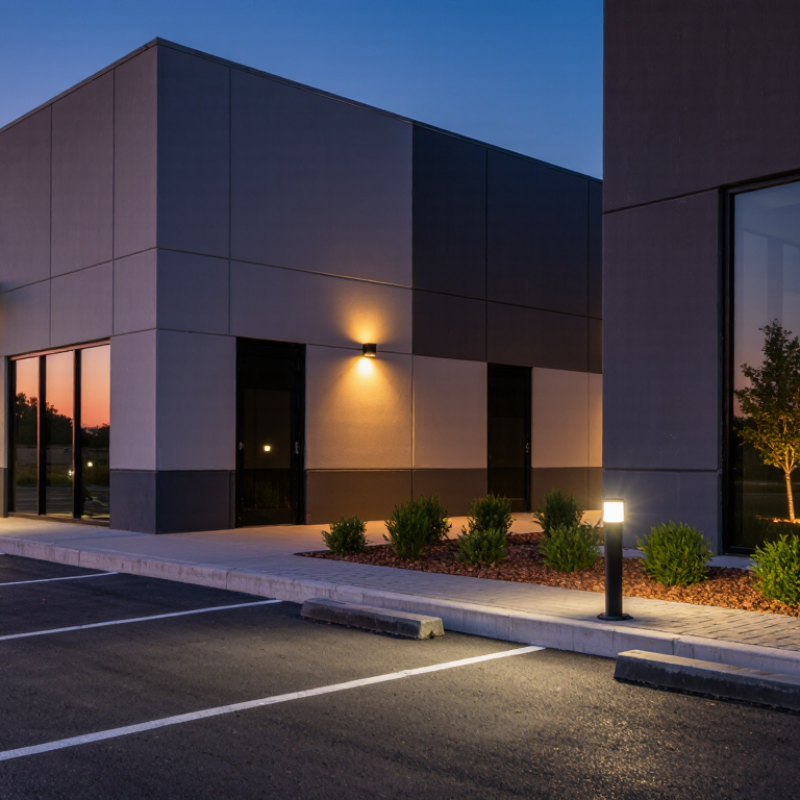
Why Choose Exterior Solar Lights for Your Business? The answer begins with the daily realities of commercial property management. A well-placed solar fixture can illuminate a storefront entrance, loading area, pathway, or parking edge without extending electrical wiring across the site. During a site assessment, managers can observe where shadows collect after sunset, then position lights for safer movement and clearer visibility. This practical approach matters more than simply adding bright equipment.

Exterior Solar Lights use photovoltaic panels to collect daylight, store energy in batteries, and power LEDs after dark. Their performance depends on sunlight, panel direction, battery quality, weather, and seasonal changes. A shaded wall may produce disappointing results. Winter nights can expose weak designs. These details deserve careful attention.

The strongest business decisions combine energy awareness with reliable installation practices. Look for durable housings, suitable weather resistance, replaceable components, and lighting levels appropriate for each area. A qualified installer can also review local electrical, accessibility, and building requirements before work begins. This protects the investment and supports responsible operation.

They are not flawless.

Cloudy weeks may reduce runtime. Dust can cover panels. Batteries eventually lose capacity. However, regular cleaning, periodic inspections, and realistic placement can improve long-term value. Business owners should compare purchase costs, maintenance needs, expected illumination, and the environmental conditions around the property. When selected thoughtfully, Exterior Solar Lights can support safer walkways, reduce wiring dependence, and create a more welcoming commercial setting without promising more than the technology can deliver.
Why Choose Exterior Solar Lights for Your Business?

What Are Exterior Solar Lights for Businesses?

Exterior solar lights for businesses are self-contained outdoor lighting systems. Each unit typically combines a photovoltaic panel, rechargeable battery, LED fixture, controller, and dusk-to-dawn sensor. They collect sunlight during the day, store electricity, and illuminate entrances, walkways, parking areas, signs, or loading zones after dark.

They do not require underground power cables. This can simplify installation near remote paths or newly developed commercial spaces.

The U.S. Department of Energy reports that LED lighting uses at least 75% less energy than incandescent lighting and can last up to 25 times longer. That efficiency matters because solar fixtures depend on limited daily energy. However, performance still depends on panel exposure, battery capacity, weather, and operating hours.

The International Energy Agency Photovoltaic Power Systems Programme reported global solar photovoltaic capacity above 1.6 terawatts by the end of 2023. That growth supports wider solar adoption, but it does not remove practical limits.

A shaded panel may charge poorly. Winter nights may exceed the battery’s design expectations. Small details matter.

A professional site assessment should check tree growth, building shadows, drainage, lighting levels, and pedestrian movement.

Color temperature and glare also need attention near offices and residences. Some businesses choose stronger brightness, then discover shorter overnight runtime. That trade-off deserves honest planning.

Exterior solar lights are useful, but they are not maintenance-free. Panels need cleaning, batteries eventually need replacement, and poor placement can quietly reduce reliability.

How Do Exterior Solar Lighting Systems Work?

Exterior solar lighting systems convert sunlight into usable electricity for business properties. A photovoltaic panel captures solar energy during daylight hours. An internal controller regulates that energy and charges a rechargeable battery. After sunset, the battery powers efficient LED fixtures.

A light sensor detects darkness and activates the system automatically. Some systems also use motion sensors, increasing brightness when people approach entrances, paths, or loading areas. During site assessments, I check panel direction, shade, mounting height, and nighttime coverage. These details strongly affect performance. Cloudy weather reduces charging, although quality systems can still operate. Battery capacity matters more than many buyers expect. A poorly positioned panel can weaken an otherwise reliable installation.

Tips: Keep panels free from dust, leaves, and bird deposits. Test lighting after installation, not only during daytime. Allow extra battery capacity for winter or extended cloudy periods. Motion settings should balance security with energy savings.

Solar lighting usually requires less wiring and can reduce trenching work around a commercial property. However, it is not maintenance-free. Batteries eventually lose capacity, and LEDs may reveal uneven illumination if fixtures are spaced poorly. I have seen attractive layouts fail because nearby trees grew into the sunlight path. Planning should include future landscaping, seasonal shadows, and safe access for maintenance. Solar power sounds simple, but the surrounding site decides how well it works.

Why Choose Exterior Solar Lights for Your Business? - How Do Exterior Solar Lighting Systems Work?

Data Dimension Typical Information How It Works or Why It Matters Business Application
Energy Source Sunlight captured by a photovoltaic solar panel The panel converts solar energy into electrical energy during daylight hours. Provides lighting without a direct connection to the utility grid.
Energy Storage Rechargeable battery, commonly lithium-based or nickel-metal hydride Stores electricity generated during the day for use after sunset. Supports nighttime operation and reduces dependence on external power.
Lighting Technology Light-emitting diodes (LEDs) LEDs produce light efficiently and generally require less electricity than conventional outdoor lamps. Helps extend operating time from a limited battery capacity.
Automatic Control Photocell, light sensor, timer, or programmable controller The control system detects darkness or follows a preset schedule to activate the light. Reduces manual switching and helps prevent unnecessary daytime operation.
Typical Operating Pattern Charges in daylight and illuminates from dusk until dawn or according to a schedule Daily runtime depends on sunlight availability, battery capacity, lighting output, and control settings. Suitable for parking areas, walkways, entrances, signs, and perimeter lighting.
Grid Connection Not required for standalone solar fixtures The solar panel, battery, controller, and LED are integrated into one independent system. Can reduce trenching, cable installation, and electrical connection work in suitable locations.
Installation Flexibility High where adequate sunlight and stable mounting locations are available Fixtures can be installed away from existing electrical infrastructure. Useful for remote paths, outer parking spaces, landscaped areas, and expansion zones.
Weather Resistance Outdoor-rated housing with resistance to rain, dust, and temperature changes The enclosure protects electrical components from normal outdoor exposure; the exact protection level varies by product. Supports dependable use in exterior commercial environments.
Maintenance Requirements Periodic panel cleaning, inspection, and eventual battery replacement Dust, leaves, snow, and shading can reduce solar charging performance. Routine inspections help maintain light output and nighttime runtime.
Weather and Site Suitability Best in locations with unobstructed daytime sunlight Extended shade, short winter days, heavy cloud cover, or snow may reduce charging energy. A site assessment is important before selecting equipment and operating schedules.
Environmental Benefit Uses renewable solar energy during operation Electricity is generated on-site from sunlight rather than being supplied entirely through grid power. Can support energy-efficiency and sustainability objectives when properly designed.
Safety and Visibility Illuminates access routes, entrances, parking areas, and property boundaries Consistent outdoor lighting can improve nighttime visibility, although it does not replace a complete security or safety plan. Helps customers, staff, and visitors navigate exterior areas after dark.

Note: Actual performance varies with geographic location, panel orientation, seasonal sunlight, shading, battery condition, lighting settings, and local weather.

What Business Benefits Do Solar Lights Provide?

Exterior solar lights can reduce a business’s dependence on grid electricity, especially around parking areas, entrances, pathways, and loading zones.

The International Energy Agency reports that lighting uses about 15% of global electricity. Solar fixtures help address part of that demand by charging during daylight and using stored energy after sunset. They also avoid trenching in many locations, which can simplify installation around paved walkways or landscaped grounds.

The financial benefit is not limited to lower energy bills.

The U.S. Department of Energy states that LED lighting uses at least 75% less energy and lasts up to 25 times longer than incandescent lighting. Solar systems combine efficient LEDs with photovoltaic charging, reducing routine lamp replacement and wiring maintenance.

Fewer service visits can matter for businesses managing large outdoor areas. A dark pathway repaired quickly can also protect customer confidence.

Still, solar lighting is not automatically the best choice.

Poorly positioned panels, winter shade, or several cloudy days can weaken performance. The International Energy Agency’s Renewables 2024 report confirms continued growth in solar deployment, but growth does not remove site-specific limits.

A practical evaluation should check sunlight, battery capacity, lighting schedules, and local weather records. That extra review may feel slow. It prevents an expensive installation that looks attractive on paper but leaves a rear entrance dim before morning.

Which Factors Matter When Choosing Exterior Solar Lights?

Why Choose Exterior Solar Lights for Your Business?

Choosing exterior solar lights requires more than comparing prices or brightness claims. The site itself matters. Walk around the property at night and identify dark entrances, uneven paths, loading areas, and signs that need clear visibility. Measure the mounting height and desired coverage before selecting a fixture.

Start with light output, beam direction, and color temperature. A wide beam can reduce shadows near a doorway, while a focused beam may suit a sign or narrow walkway. Ask for photometric data instead of trusting vague phrases like “ultra bright.” Solar exposure is equally important. A panel beneath trees or beside a tall wall may charge poorly. Shade matters.

Battery capacity should match the expected operating hours and local weather. A light that works well during sunny tests may weaken after several cloudy days. Look for tested battery performance, suitable operating temperatures, and practical replacement options. An IP65 or higher rating can help protect against dust and rain, but installation quality still matters. Water can enter through loose fittings.

Motion sensors may save energy around storage areas, yet frequent activation can feel distracting near customers. Adjustable sensitivity helps. Check wind resistance, mounting strength, warranty terms, and recognized safety certifications. I have seen attractive installations fail because panels faced the wrong direction. A small on-site trial is often wiser than fitting every light at once.

How Should Businesses Install and Maintain Solar Lights?

Businesses choose exterior solar lights to reduce trenching, wiring, and grid dependence around entrances, parking areas, and loading zones. The U.S. Department of Energy reports that LED systems can use up to 75% less energy and last 25 times longer than incandescent lighting. IEA PVPS reported global photovoltaic capacity exceeded 1,600 GW by the end of 2023, showing solar’s expanding technical base. Equipment alone does not guarantee reliable illumination.

Installers should map shadows at 9 a.m., noon, and late afternoon before fixing poles. Keep panels clear of rooflines, trees, signs, and seasonal growth. Face panels toward the strongest local sunlight. Calculate spacing from real lumen output, not promotional claims. Use corrosion-resistant hardware and sealed cable entries. For exposed fixtures, select enclosure ratings suitable for the site, commonly IP65 or above. A perfect layout is rare.

Maintenance is simple, but it is not optional. Clean panels with water and a soft cloth every few months, especially near roads, farms, or coastal air. Inspect lenses, fasteners, battery compartments, and drainage after storms. Replace weakened batteries before winter, when shorter daylight reduces charging time. The Department of Energy recommends scheduled cleaning and controls testing, yet field conditions remain messier than spreadsheets suggest. One growing branch can quietly block a panel and weaken an entire pathway. That small mistake deserves a site revisit.

Why Choose Exterior Solar Lights for Your Business?

Solar lighting can reduce grid electricity demand while providing dependable outdoor illumination when installed and maintained correctly.

What the data shows: A solar-powered fixture uses 0 kWh of grid electricity during operation. A 50-watt grid-connected LED fixture uses approximately 219 kWh per year, while a 150-watt grid-connected HID fixture uses approximately 657 kWh per year when operated for 12 hours per night.

Installation and maintenance: Install the solar panel where buildings, trees, and signs will not create shade. Aim the panel toward the equator and position it to receive strong daily sunlight. Clean the panel every 3–6 months, inspect wiring and mounting hardware at least annually, keep the light sensor clear, and check the rechargeable battery according to the manufacturer's service schedule.

Calculation basis: fixture wattage × 12 operating hours per day × 365 days per year. Solar grid use is calculated as 0 kWh because the fixture operates off-grid. Values are generic engineering scenarios and do not represent any company or brand.

(214) 838-7010