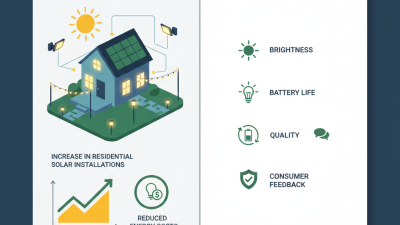


Buying Exterior Solar Lights can seem simple until the first rainy week exposes weak panels, small batteries, and poor seals. A bright product photograph does not guarantee dependable outdoor performance. This guide examines ten practical buying points, including brightness, battery capacity, panel placement, weather resistance, motion sensors, installation, and maintenance.
Amory Lovins, cofounder of Rocky Mountain Institute and a respected energy-efficiency expert, said, “The cheapest energy is the energy you don’t use.” His point applies here. Efficient Exterior Solar Lights should direct illumination where it matters, rather than wasting power across a wide, unhelpful beam. Look for measured lumens, realistic charging times, and clear information about battery replacement. A light that shines intensely for one evening may disappoint after several cloudy days.
Small details matter. Check the IP rating before mounting a fixture beside sprinklers or exposed gutters. Hold the solar panel toward the strongest available daylight, not merely the most convenient wall. Compare warm and cool color temperatures near paths, patios, and entrances. Also inspect the switch, mounting screws, cable length, and sensor coverage. These details are easy to ignore.
Nothing is perfect.
Even well-reviewed lights can underperform during winter or prolonged rain. I have found that some “all-night” claims depend on ideal summer conditions. That limitation deserves honest attention. The best choice balances safety, appearance, local weather, installation effort, and long-term value. A careful buyer measures the space first, studies the specifications, and accepts that reliable lighting often requires modest expectations.
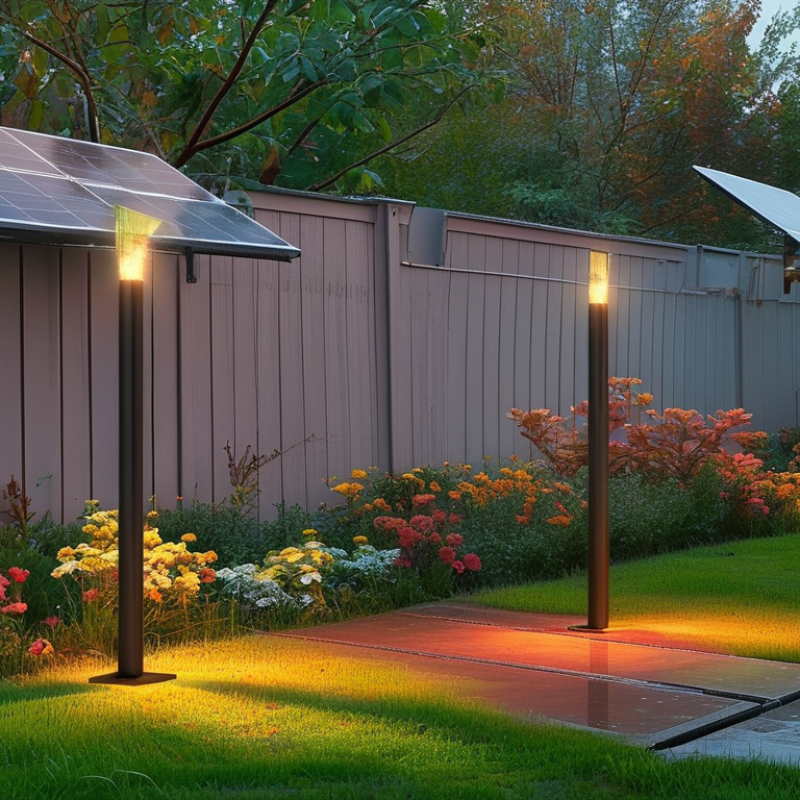
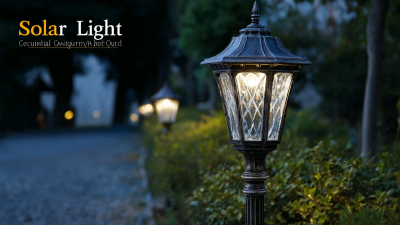
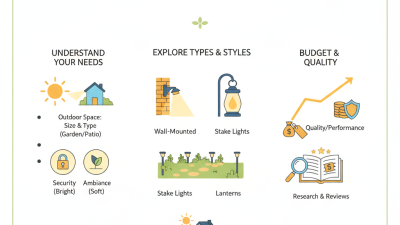
Choosing the right exterior solar light starts with the area you want to illuminate. Path lights suit walkways, garden edges, and steps. They create soft pools of light rather than harsh brightness. Wall-mounted lights work better near doors, garages, and outdoor seating areas. For larger spaces, choose solar floodlights with adjustable heads.
Check the light’s brightness before buying. Lumens describe the amount of visible light produced. A small path may need modest output, while a driveway needs stronger coverage. Motion sensors can save stored energy, especially in winter. However, frequent activation may shorten nighttime performance. I once installed a sensor light near a busy gate, and it drained quickly.
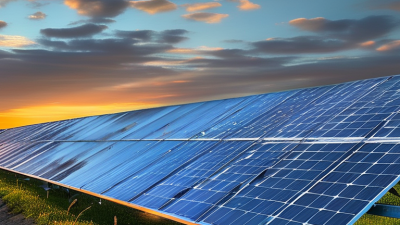
Look closely at the solar panel’s position. A shaded panel may charge poorly, even when the lamp itself looks attractive. South-facing exposure often helps in the northern hemisphere, but nearby walls can still block sunlight. Weather resistance matters too. Look for a suitable IP rating for rain, dust, and outdoor moisture. Warm white light usually feels more comfortable around entrances. Cool white light can improve visibility across driveways. No option is perfect. Cloudy weeks, dirty panels, and short winter days can reduce performance. Clean the panel occasionally, and test the light after installation rather than trusting the package description.
Choosing exterior solar lights starts with the location, not the fixture’s appearance. I inspect the ground after rainfall, because puddles reveal drainage problems and unstable mounting points. A path beside a tall fence may look bright at noon, yet remain shaded when charging matters most. Watch the shadows. Trees, roof edges, and seasonal growth can reduce exposure more than expected. In my own yard, a sunny spring corner became dim beneath thicker summer leaves. That mistake changed how I measure sunlight.
Track direct sunlight for a full day before deciding where lights belong. Six hours of strong exposure is a useful target, but cloudy climates may require more flexibility. Morning light can be weaker than afternoon light, depending on nearby buildings and orientation. Do not guess. A small solar panel under partial shade may charge slowly, even if the lamp works that evening. Check the panel angle, nearby reflections, and dust that could block energy. Wipe it gently.
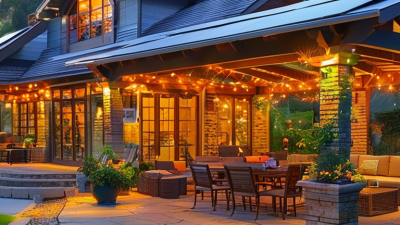
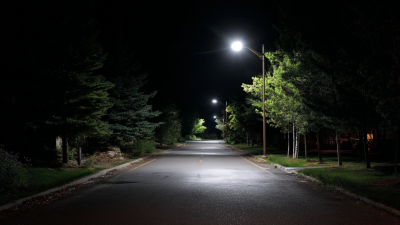
Lighting coverage depends on spacing, beam direction, and the purpose of each area. For steps, place light where each tread is visible without creating harsh glare. Along a walkway, overlapping pools of light usually feel safer than isolated bright spots. Measure the gaps at night. For patios, test whether faces, door handles, and changes in ground level remain clear. A wider beam may cover more space, but it can waste light beyond the property. I sometimes leave temporary markers in place for two evenings, then adjust them after observing actual movement. The result is rarely perfect on the first attempt. That is a useful warning.
When buying exterior solar lights, compare brightness in lumens, not vague words like “brilliant.” A small path light may need 20 to 80 lumens, while a security light often needs several hundred. Beam angle matters too. A narrow beam can illuminate a gate, but it may leave nearby steps dark. Warm light usually feels comfortable around patios. Cooler light can reveal details more clearly.
Battery life depends on sunlight, temperature, and daily use. Check the claimed runtime after a full charge, then expect less during cloudy weeks or winter. A light promising eight hours may provide only four in poor conditions. Look for replaceable batteries when possible. I once placed lights beneath a balcony, assuming they would charge adequately. They did not. Direct sunlight for several hours is more important than attractive placement.
Weather resistance deserves careful inspection. An IP rating can indicate protection from dust and water, but installation still matters. Sealed housings, covered charging panels, and corrosion-resistant fasteners help outdoors. Avoid locations where rainwater collects around the base. Check for cracks after freezing weather. Motion sensors also need testing; leaves, pets, and passing traffic can trigger them repeatedly. Specifications are useful, but real conditions can be less forgiving.
| Tip | What to Compare | Useful Benchmark | Why It Matters | Buying Check |
|---|---|---|---|---|
| 1. Match lumens to the location | Light output in lumens | About 10–50 lumens for decorative accents, 50–150 lumens for pathways, and 150–300+ lumens for motion-activated security lighting. | Higher lumen output generally provides more illumination, but it can require a larger solar panel or battery. | Avoid comparing brightness by LED count alone; use the stated lumen rating. |
| 2. Check the expected runtime | Hours of illumination per full charge | A practical target is 8–12 hours after a full day of direct sunlight, depending on operating mode and season. | Longer runtime helps the light remain on through the night and during periods of limited sunshine. | Look for separate runtime figures for low, high, and motion-sensor modes. |
| 3. Compare battery capacity and chemistry | Battery type, voltage, and capacity in mAh or Wh | For similar designs, a higher watt-hour rating usually indicates more stored energy. Common outdoor designs use rechargeable NiMH or lithium-ion batteries. | Battery capacity affects runtime, while chemistry influences weight, lifespan, and performance in cold weather. | Do not compare mAh values without also checking battery voltage. |
| 4. Evaluate the solar panel | Panel type, size, and charging performance | A larger panel generally collects more energy, while monocrystalline panels are commonly chosen for efficient energy conversion in compact products. | The panel must collect enough energy to replace what the light uses overnight. | Install the panel where it receives several hours of unobstructed daylight; shade can significantly reduce charging. |
| 5. Use the correct IP rating | Ingress Protection rating | IP44 protects against solid objects over 1 mm and water splashes; IP65 adds protection against water jets; IP67 allows temporary immersion under specified test conditions. | A higher rating can provide better protection from rain, dust, and accidental water exposure. | Choose an outdoor-rated enclosure and confirm that the rating applies to the complete light, not only a separate component. |
| 6. Consider color temperature | Light color in kelvins (K) | Warm white is commonly around 2,700–3,000 K; neutral white is around 3,500–4,100 K; cool white is generally 5,000 K or higher. | Color temperature affects appearance, visibility, and the atmosphere of a garden or entrance. | Choose warm white for decorative areas and neutral or cool white where clearer visibility is needed. |
| 7. Check motion-sensor specifications | Detection range, angle, and activation duration | Many residential motion lights specify detection ranges of roughly 3–10 metres and activation times from about 20 seconds to several minutes. | Motion activation can conserve battery energy while providing brighter light when movement is detected. | Confirm that the sensor covers the walkway, steps, or entrance without facing a busy road. |
| 8. Review seasonal performance | Performance in cloudy weather and winter conditions | Clouds, shorter winter days, snow cover, dirt, and shade reduce the energy reaching the panel and may shorten nighttime runtime. | A light that performs well in summer may provide less output after several overcast days. | Prefer adjustable brightness or motion-only operation if the installation receives limited winter sunlight. |
| 9. Inspect construction and mounting | Housing, seals, lens, and mounting hardware | UV-resistant plastics, coated metals, sealed joints, and corrosion-resistant fasteners are practical features for exposed installations. | Mechanical durability helps the light withstand sunlight, wind, rain, and repeated temperature changes. | Check whether the mounting method suits masonry, wood, fencing, or ground installation. |
| 10. Verify maintenance and replacement parts | Battery replacement, cleaning, and warranty support | Solar panels should be kept free of dust, leaves, and snow. Rechargeable batteries commonly lose capacity over time and may eventually need replacement. | Easy maintenance can extend operating life and help preserve charging performance. | Look for a replaceable battery, accessible screws, clear care instructions, and a stated warranty period. |
Note: Actual brightness and runtime vary with sunlight, panel orientation, temperature, battery condition, operating mode, and installation location. IP ratings describe resistance under standardized test conditions and do not guarantee protection from every outdoor situation.
10 Tips for Buying Exterior Solar Lights
Installation method should match the surface and the weather. Wall-mounted lights need solid screws, weather-resistant anchors, and enough space beneath the panel. For lawns, ground stakes should enter firm soil without wobbling. Adjustable brackets are useful when a wall faces away from direct sunlight. I once placed a light under a balcony, and its battery rarely charged. That mistake taught me to check the sun path throughout the day, not just at noon.
Look for a clear IP rating, especially in areas with heavy rain or dust. A higher rating generally offers better protection, but seals can still weaken over time. Check the panel angle and whether it can be cleaned easily. Choose brightness for the task. Gentle light suits pathways, while entrances may need stronger illumination. Motion sensors can conserve power, although an overly sensitive sensor may trigger repeatedly. That drains the battery.
Battery capacity matters during cloudy weeks. Replaceable batteries may be easier to maintain than sealed units. Read the expected runtime carefully, because promotional figures often reflect ideal conditions. Also inspect cable length, mounting hardware, and switch access before purchase. Small details matter. Test the installation after dark, then adjust the angle and sensor range. My own preference changed after a light shone into a bedroom window. A perfect specification cannot fix poor placement.
Typical brightness varies by installation method. Pathway and decorative lights usually prioritize ambience, while wall-mounted and security floodlights provide substantially higher illumination. Before buying, check the mounting method, lumen output, battery runtime, charging time, motion detection, light color, weather resistance, replaceable parts, adjustable angles, and warranty terms.
How to read the chart: The bars show typical consumer-product lumen ranges. Always confirm the exact specification, IP rating, sunlight requirements, and installation instructions for the product you choose.
Exterior solar lights need routine care, not only installation. Wipe the panel monthly with a soft, damp cloth. Dust and pollen can reduce charging efficiency, especially near roads or trees. Check the panel after storms. A loose angle can leave the battery undercharged.
Solar lights still depend on clean panels, sound wiring, and healthy batteries. Inspect seals for cracks, condensation, or insect entry. Never ignore flickering. It may indicate corrosion or a failing battery.
Replace rechargeable batteries according to the manufacturer’s specifications, usually after several years of outdoor cycling. Dispose of old batteries through approved collection services. Keep light sensors clear, and trim branches that create evening shadows. In cold weather, shorter runtime is normal because batteries store less energy. I have found that testing one fixture before replacing many saves time and money. Still, one assumption can fail: a bright lamp is not always a safe lamp. Aim beams away from drivers, windows, and walkways where glare could cause trips. Check mounting screws twice. Small oversights matter.
USA / Americas
1507 Capital Ave, Suite 102
Plano, TX 75074
+1 (214) 838-7010
8:00am – 5:00pm (GMT-6)
Australia / Asia Pacific
503 Cross Keys Rd,
Cavan SA 5094
+61 8 7200 3909
9:00am – 5:00pm (ACDST)
© 2025 Green Frog Systems. | Privacy Policy | Terms & Conditions