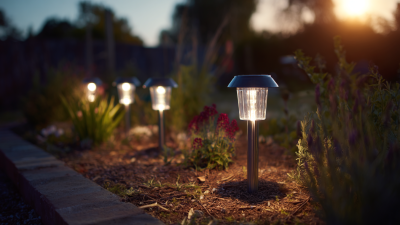


China’s outdoor solar lighting sector sits within a fast-growing global solar market. IRENA’s Renewable Capacity Statistics 2024 reports that worldwide solar power capacity reached about 1,419 gigawatts by the end of 2023. That figure describes power generation, not outdoor lamps. Still, it shows how quickly solar technology is scaling—and why buyers need to assess suppliers carefully.
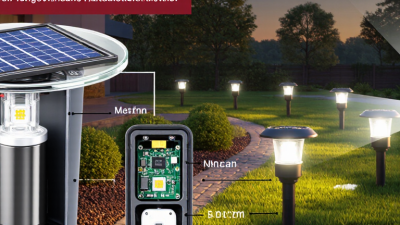
Choosing a Solar Lamp Outdoor supplier involves more than comparing prices or browsing polished product photos. Ask for verifiable details: panel wattage, battery chemistry and capacity, rated operating hours, ingress-protection test results, and warranty terms. A sample unit can reveal practical issues that a specification sheet may miss. Check how the lamp behaves after several cloudy days, whether its motion sensor triggers reliably, and how easily a technician can replace the battery. Small details matter.
China offers a broad manufacturing base, but supplier capabilities vary. Some companies specialize in high-volume, standardized products; others support custom optics, housings, or control systems. Request recent test reports and clarify which laboratory issued them. Compare like with like: claimed brightness alone says little about beam distribution or runtime. There is room for honest uncertainty, too. Published ratings do not always match performance on a cold, shaded site. A careful shortlist should therefore combine documented specifications, sample testing, responsive communication, and clear after-sales support. This guide examines how to evaluate China’s top outdoor solar lamp suppliers and choose a partner suited to your project, not just your spreadsheet.
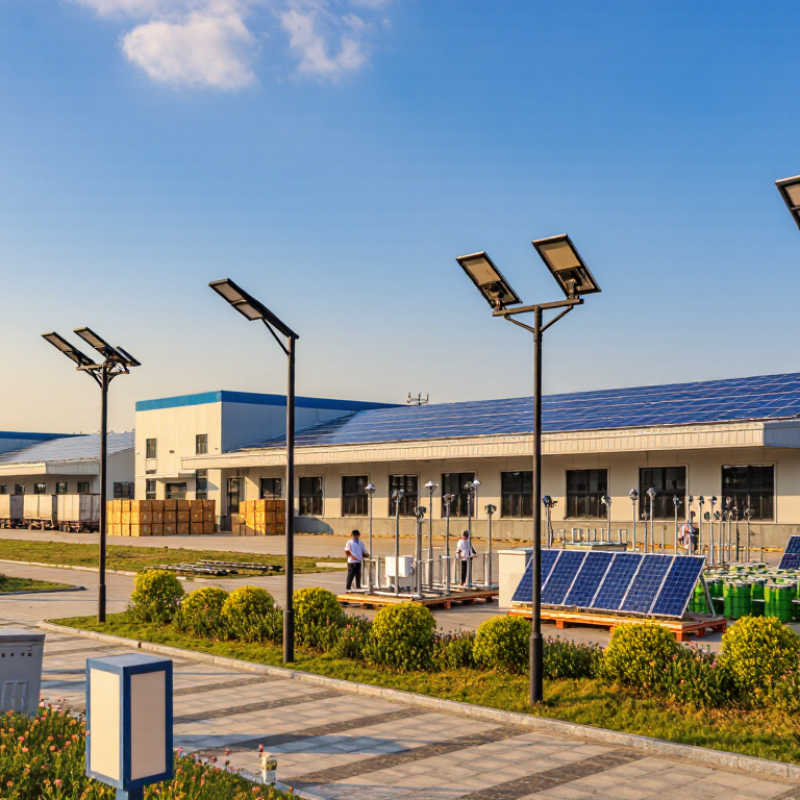
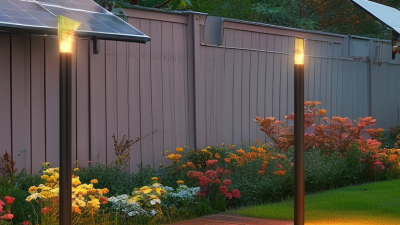
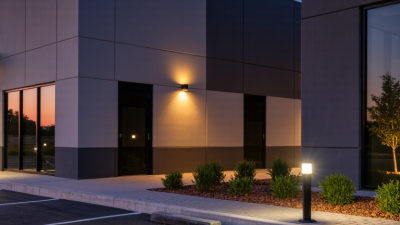
Outdoor solar lamps serve different jobs. Pathway lights mark garden edges and steps, while wall-mounted lamps illuminate doors, bins, and garage entrances. Motion-sensor floodlights suit driveways and larger yards. Pole-mounted area lights can serve parking spaces, farm roads, and remote work sites. Decorative lanterns add soft light, but rarely replace task lighting.
The IEA PVPS Snapshot of Global PV Markets 2024 reports that global cumulative solar capacity passed 1.6 terawatts by the end of 2023. This shows the scale of solar deployment, not the performance of any individual lamp. For a real installation, compare panel size, battery capacity, stated runtime, and weather resistance. A bright lamp with a small battery may dim before dawn. I would not judge it by lumen claims alone; winter shade and cloudy days matter.
Tips: Match the beam to the task. Check whether the panel can face the sun without tree shade. For security areas, test the sensor’s coverage at night. For pathways, use several low-output lights rather than one harsh beam. Ask suppliers for runtime test conditions and replacement-battery availability. Small details matter.
China Top Outdoor Solar Lamp Suppliers: How to Choose?
Choosing a Chinese outdoor solar lamp supplier requires more than comparing online prices. Check factory experience, product drawings, and completed export projects. Ask how long the supplier has produced solar lighting. Request photos of assembly lines, testing rooms, and packed shipments. Real evidence matters more than polished catalog language. Inspect whether panels, batteries, controllers, and seals have traceable specifications. A low price may hide weaker cells or shorter battery life.
Technical reliability should be tested under realistic conditions. Request samples before placing a large order. Install them in shade, rain, dust, and winter temperatures if relevant. Measure lighting time after a cloudy day, not only after bright sunshine. Check lumen claims with reports from qualified laboratories. Review battery cycle data, waterproof ratings, charging performance, and motion-sensor response. Ask whether the design supports replacement parts. This detail is often overlooked. It can determine maintenance cost.
Communication and quality control reveal supplier professionalism. Confirm drawings, tolerances, packaging, inspection steps, and delivery terms in writing. Ask who handles failed samples and warranty claims. Reliable suppliers explain limitations instead of promising perfect performance. That honesty is valuable. Still, do not rely on documents alone. Use pre-shipment inspection and keep approval samples for comparison. Factory visits and tests require time, but skipping them can cost more. A supplier may pass one inspection yet vary between batches, so repeat checks remain sensible.
Supplier experience is more than a polished catalog or a long company history. Ask for project records involving outdoor solar lamps, including installation locations, operating seasons, and product quantities. Request recent customer references, then ask about delivery accuracy and after-sales response. Photos help, but they are not proof by themselves. If possible, arrange a video call from the production floor and ask to see assembly, aging tests, and incoming-component checks. Small details matter. A supplier who can explain battery replacement or water-ingress failures may understand field use better than one who only repeats sales claims.
Assess quality through a sample matching the quoted configuration. Check the panel, battery label, cable joints, seals, and screw finish; then leave the lamp outdoors through several charge-and-discharge cycles. Record runtime after cloudy days, not just showroom tests. Ask for test reports and certificates, and verify the issuing organization, dates, product model, and covered components directly. A document for a similar lamp may not apply. Compare reports with the actual bill of materials, and ask what changes require retesting. No checklist catches everything. Even careful buyers can miss a weak seal, so keep written inspection criteria and agree on remedies before ordering.
When comparing outdoor solar lamp suppliers in China, start with the product details, not the lowest quote. Check the panel size, battery capacity, light output, and stated runtime. Ask whether runtime was tested after a full charge and under what weather conditions. A lamp may look bright in a showroom but perform differently on a shaded garden path. Request sample photos or a sample unit, then inspect the housing, seals, and mounting points yourself. Small details matter.
Tips: Compare quotations line by line. Confirm what is included, such as poles, screws, packaging, and shipping terms. Ask for the warranty length and the process for handling failed batteries or damaged units. A long warranty sounds reassuring, but written coverage is more useful than a verbal promise. Keep the answer on record.
Customization can include color temperature, sensor settings, logos, or packaging. Clarify minimum order quantities, sample fees, and production time before approving changes. Also ask which parts can be customized without affecting performance. Suppliers may offer many options; not all are worth paying for. I would compare at least two samples, though that takes time. There is no perfect checklist, and one overlooked question can still become an expensive lesson.
A neutral starting point for comparing products, prices, warranties, and customization.
This chart uses an equal-weight baseline, not supplier performance data. Compare written specifications, itemized quotations, warranty terms, and customization capabilities; adjust the weights to match your project requirements.
Selecting a China outdoor solar lamp supplier should begin with evidence, not attractive catalog photos. Check factory experience, production capacity, quality records, and communication speed. Ask for technical sheets showing panel output, battery type, LED power, charging time, and expected runtime. Also verify enclosure ratings and material thickness for rain, dust, heat, and coastal air. Request relevant test reports for your destination market. Start with samples. Compare two or three suppliers using the same written requirements. An impressive factory tour proves little without stable inspection data.
Test each sample outdoors for several nights, including cloudy weather. Record charging hours, brightness, motion-sensor response, and runtime until automatic shutoff. Use a lux meter at a fixed distance, rather than trusting your eyes. Inspect screws, seals, cable joints, and paint after rain exposure. If possible, request repeated tests from different production batches. Small differences matter. A lamp may pass one night and fail after a week of weak sunlight. That result should change your order, not be hidden in a report.
Before ordering, confirm the approved sample, packaging, logo placement, spare-part policy, warranty terms, and replacement process. Set measurable acceptance standards for brightness, battery capacity, charging performance, and appearance. Request a pre-shipment inspection with photographs and random carton checks. Clarify minimum order quantity, production lead time, payment stages, and shipping responsibilities in writing. Do not choose only by unit price. Cheap batteries and thin seals often create expensive returns. A perfect checklist can still miss real weather conditions. Leave room for field feedback, and be willing to revise the specification.
USA / Americas
1507 Capital Ave, Suite 102
Plano, TX 75074
+1 (214) 838-7010
8:00am – 5:00pm (GMT-6)
Australia / Asia Pacific
503 Cross Keys Rd,
Cavan SA 5094
+61 8 7200 3909
9:00am – 5:00pm (ACDST)
© 2025 Green Frog Systems. | Privacy Policy | Terms & Conditions