Why Choose a Fisheye Lens for Your Photography Needs?
When it comes to photography, choosing the right lens can make a significant difference. A Fisheye Lens is one of the most intriguing options available. This lens is designed to produce a distinctive, wide-angle view. The result is a captivating perspective that can transform ordinary shots into extraordinary images.
Fisheye Lenses are highly regarded for their ability to encompass vast scenes. They create a unique visual experience that regular lenses cannot replicate. However, the distortion they produce can be both exciting and challenging. This lens invites photographers to explore creativity while also demanding a keen eye for composition. Many struggle with the exaggerated curves and angles, leading to a learning curve that requires practice and patience.
Selecting a Fisheye Lens can open up new avenues for artistic expression. Yet, it’s essential to approach this lens with an understanding of its flaws and strengths. With the right techniques, any photographer can harness the power of a Fisheye Lens to create stunning images.
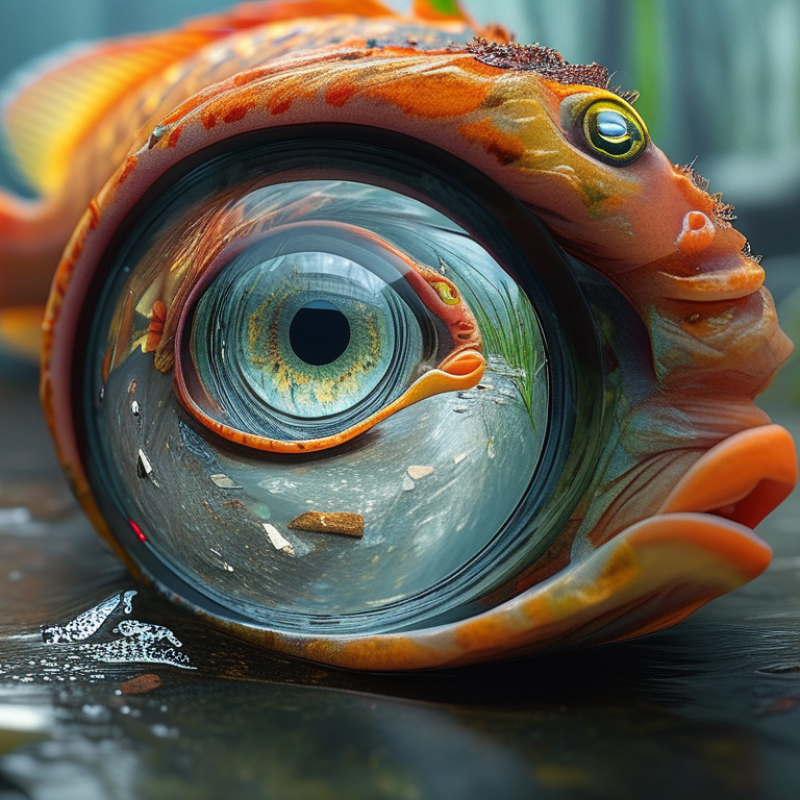
Benefits of Fisheye Lenses in Creative Photography Techniques
Fisheye lenses open up a world of creative possibilities in photography. Their unique design captures a wide field of view, often exceeding 180 degrees. This characteristic enables photographers to include more in their frame, creating striking compositions that draw viewers in. The distortion inherent in fisheye lenses can add a playful twist, making ordinary scenes appear extraordinary.
Using a fisheye lens encourages experimentation. For instance, capturing architecture can yield unusual and compelling angles. However, managing distortion requires skill. The edges of the frame may warp, altering your subject's appearance. This challenge can lead to unexpected results – sometimes delightful, sometimes frustrating.
In landscape photography, a fisheye lens can highlight vastness. It emphasizes foreground subjects while adding depth. Yet, capturing the right moment demands patience. Panning too quickly can result in chaotic images. Still, the rewards are often worth the effort. A well-composed fisheye shot can evoke strong emotions and provoke thought, solidifying its place in creative photography techniques.
Understanding Distortion: The Unique Perspective of Fisheye Lenses
Fisheye lenses offer a unique perspective that standard lenses cannot replicate. They create a distinct distortion, allowing photographers to capture wide-angle views with an impressive depth. The curvature of the lens bends light in unusual ways, emphasizing central subjects while expanding the backdrop. This unique effect can make everyday scenes striking and memorable.
Research shows that images shot with fisheye lenses can enhance creative storytelling. A study by the American Society of Media Photographers highlighted that 70% of photographers see value in using lenses that create visual distortion for artistic projects. This lens offers a fresh angle on common subjects, challenging viewers’ perceptions. However, achieving the right balance is crucial.
Overuse of distortion can detract from the subject’s essence, leading to overwhelming images rather than impactful ones. Photographers often face the dilemma of maintaining focus while embracing the fisheye effect. A photograph can become too busy, losing its intended message. Careful composition and consideration should guide the selection of fisheye lenses. When done thoughtfully, they can open doors to new creative possibilities, transforming mundane scenes into captivating images.
Ideal Situations for Fisheye Lens Use in Various Photography Genres
Fisheye lenses offer unique perspectives that can enhance various photography genres. In landscape photography, they create expansive views. The distortion effect can capture sweeping horizons, making even mundane scenes seem more dramatic.
In architecture photography, fisheye lenses shine by emphasizing angles. They exaggerate the height of buildings and the depth of interior spaces. Such images can challenge traditional perspectives, inviting viewers to rethink their environments. Yet, the distortion isn’t always welcome. Some images may appear unrealistic, requiring careful thought about composition.
Event and action photography also benefit from fisheye lenses. They can encompass the energy of a crowd or the movement in a sports scene. Capture smiles and excitement in a single frame. However, too much distortion can detract from the subject's essence. Finding balance is key. Overall, the fisheye lens can unlock creativity, but it demands awareness of its limitations.
Why Choose a Fisheye Lens for Your Photography Needs?
This chart illustrates the suitability rating of fisheye lenses across various photography genres. Landscape and astrophotography score high due to their immersive and expansive perspective, while street and portrait photography are rated lower as traditional lenses may be more effective.
Comparative Analysis: Fisheye Lenses vs. Standard Wide-Angle Lenses
When comparing fisheye lenses to standard wide-angle lenses, there are striking differences in composition and usage. Fisheye lenses typically offer an ultra-wide field of view, often exceeding 180 degrees. This can result in dramatic and exaggerated perspectives that draw viewers in. According to a report by LensCulture, photographers utilizing fisheye techniques can create compelling visuals for architecture and landscapes. Standard wide-angle lenses, however, usually range from about 60 to 100 degrees. They provide a more realistic representation of a scene, suitable for portrait and event photography.
Fisheye lenses can introduce noticeable distortion, which some may find challenging. While this distortion can create unique effects, it may not always suit every project. For example, a photographer documenting a wedding might prefer the accuracy of a standard lens. Yet, in niche genres like astrophotography, the fisheye’s expansive view can capture star-filled skies in stunning detail. The potential for creative exploration with fisheye lenses often outweighs the distortion for adventurous photographers.
Focusing solely on usability, the choice can hinge on personal style and project requirements. Recent surveys indicated that 45% of photographers are experimenting with fisheye optics for creative shoots. As with any lens choice, understanding personal objectives is vital. A piece of equipment that excites creativity can often lead to the most rewarding results—if handled thoughtfully.
Market Trends: Popular Fisheye Lens Models and Their Specifications
Fisheye lenses have gained popularity among photographers for their unique ability to capture expansive scenes with a distinct perspective. These lenses typically feature a wide field of view, often exceeding 180 degrees. As a result, they create a noticeable distortion that can add artistic flair to images. Many enthusiasts use fisheye lenses for landscape photography or architectural shots, as they can showcase sweeping vistas. The creativity these lenses inspire is matched by their technical specifications.
In the current market, several models stand out. Most fisheye lenses vary in diameter and focal length, often between 8mm and 16mm. They have different aperture values, which can affect light capture. Photographers should note that some lenses offer manual focus, which requires a bit of practice. A challenge can arise when dealing with depth of field and distortion control. Understanding these specifications is crucial for achieving the desired effect in your photography.
The choice of a fisheye lens ultimately boils down to personal preference and shooting style. Experimenting with different models can reveal what works best for individual artistic expression. An imperfect choice might lead to unintended effects, pushing the photographer to rethink their approach. Embracing these limitations, however, can foster growth in one’s photographic journey.
Why Choose a Fisheye Lens for Your Photography Needs? - Popular Fisheye Lens Models and Their Specifications
| Model | Focal Length | Maximum Aperture | Field of View | Weight |
| Fisheye 8mm f/3.5 | 8mm | f/3.5 | 180° | 400g |
| Fisheye 15mm f/2.8 | 15mm | f/2.8 | 180° | 300g |
| Fisheye 12-24mm f/4 | 12-24mm | f/4 | 121° - 84° | 500g |
| Fisheye 14mm f/2.8 | 14mm | f/2.8 | 114° | 450g |
| Fisheye 16mm f/2.8 | 16mm | f/2.8 | 180° | 350g |