


An On Grid Solar System turns sunlight into electricity for immediate use and sends surplus power to the utility grid. Its performance depends on more than panel efficiency. Inverters, monitoring software, installation quality, and dependable after-sales support all matter. Fatih Birol, energy economist and Executive Director of the International Energy Agency, has described solar as “the new king of electricity markets around the world.” That momentum makes China’s manufacturers worth a closer look. But a fast-growing market can be hard to compare.
This guide examines leading Chinese manufacturers through practical questions: What equipment do they make? How do their product ranges, warranties, and technical support compare? Can buyers verify certifications, performance data, and compatibility with local grid requirements? The distinction matters because some companies supply modules or inverters, while others offer broader system packages. A polished brochure is not enough. Buyers should check the details. Rankings can also shift as products, service networks, and market conditions change; no list can replace project-specific due diligence. That limitation deserves attention, not fine print. The sections ahead provide a grounded starting point for comparing manufacturers and identifying the right questions before requesting a quotation.
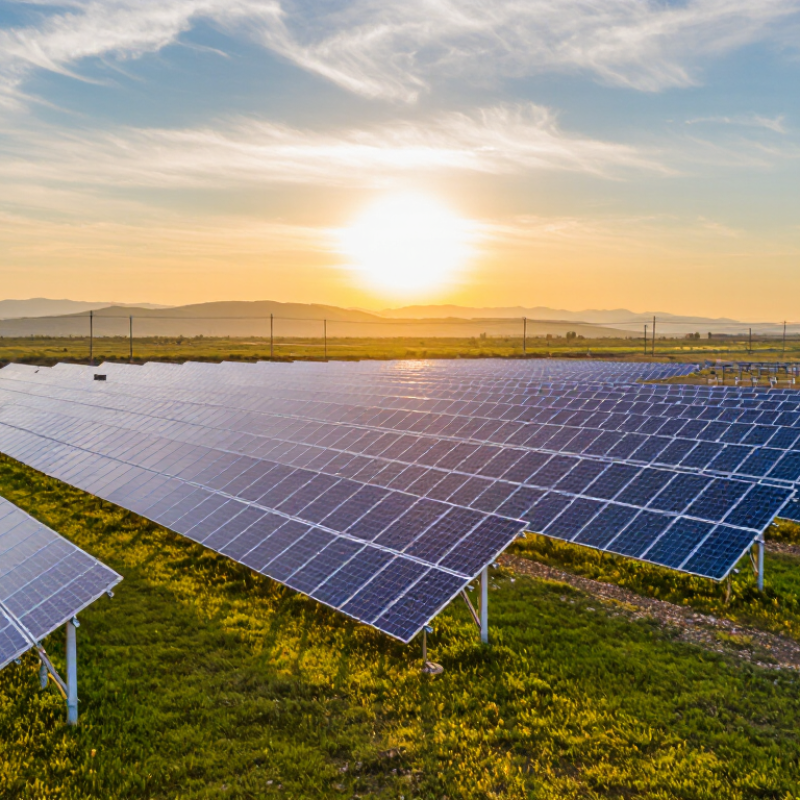
An on-grid solar system sends electricity from rooftop panels into a building and, when permitted by the connection arrangement, to the utility grid. It works best when panel output, inverter capacity, and household demand are considered together. No battery is required. The panels produce direct current, while a grid-tied inverter converts it into alternating current and synchronizes it with the grid. That matters. Protection devices, switches, and properly sized cables help isolate equipment and manage electrical faults. A bidirectional meter records electricity flowing both ways. When panels produce more than the building uses, excess power may flow outward; after sunset, the building can draw power from the grid.
Each component has practical limits. Roof direction, shade from a chimney, and summer heat can change panel output. Reliable performance depends on more than the inverter’s rated capacity. Installers should check roof structure, cable routes, ventilation, and the site’s grid-connection requirements. A neat equipment diagram can hide awkward details, such as a long cable run or a panel shaded for one hour each morning. That small loss can add up. Before choosing equipment or a system layout, review the electrical design, protection settings, and expected energy yield with a qualified solar professional.
Top On Grid Solar System Manufacturers in China?
China’s grid-tied solar industry grew from component production into an integrated manufacturing base. The International Energy Agency’s 2022 report, Solar PV Global Supply Chains, estimated that China held over 80% of global manufacturing capacity across major solar supply-chain stages. Its share of wafer production was even higher. This concentration helped manufacturers scale quickly, while domestic demand encouraged improvements in inverters, monitoring systems, and grid connection equipment.
The industry has also had to adapt as installations expanded. IRENA reported that global renewable power capacity grew by 585 GW in 2024, with solar providing the largest share of new additions. China was a major contributor. For grid-tied systems, that growth means tighter attention to output stability, equipment compatibility, and performance in changing weather. A production line can be highly automated, yet field conditions remain messy. Dust, heat, and grid constraints still matter. Scale is impressive, but it does not guarantee consistent quality across every supplier.
Tips: Compare tested output, inverter protection features, warranty terms, and traceable quality records. Ask how equipment performs during voltage fluctuations. A clear datasheet helps, but real operating references matter too.
A look at China’s position across the supply chain supporting grid-tied solar systems.
China held the largest share of global capacity at several key manufacturing stages, especially ingots and wafers. These figures describe manufacturing capacity—not company rankings or installed grid-connected capacity.
Source: International Energy Agency, Special Report on Solar PV Global Supply Chains (2022).
China’s leading on-grid solar system manufacturers combine component production with practical system engineering. They typically coordinate solar modules, grid-tied inverters, mounting structures, cables, and protective devices. The details matter. A well-matched inverter can reduce avoidable losses, while correctly sized cables and sound connections support stable operation. Buyers should look for documented quality checks, traceable components, and clear technical specifications—not just attractive factory photos.
Manufacturing capability is only part of the picture. Experienced suppliers can explain how system designs respond to roof conditions, local weather, shading, and grid requirements. Ask how they test insulation, output performance, and inverter protection before shipment. Request inspection records and installation guidance. These records make comparisons more useful. A factory tour can be impressive, but it cannot prove long-term reliability on its own.
After-sales support also separates capable manufacturers from simple equipment vendors. Check whether technical staff can help troubleshoot alarms, interpret monitoring data, and advise on routine inspections. Ask about spare-part availability and response times in writing. A small detail can matter: a clearly labeled connector may save an installer time on a hot roof. No supplier is perfect, and some specifications can be difficult to compare. Verify claims independently where possible, and assess the whole system rather than choosing by price alone.
Comparing on-grid solar system manufacturers in China starts with the equipment they can supply. Some offer modules, inverters, mounting structures, monitoring tools, and export packaging. Others focus on just one or two categories. That difference matters. A broad catalog can simplify compatibility checks, but it does not guarantee better engineering. Request datasheets that specify inverter voltage ranges, module temperature coefficients, and mounting options for your site.
Quality needs evidence beyond a polished brochure. Compare independent test records, production traceability, warranty exclusions, and the process for handling faulty components. Ask how product performance is checked across batches, not just on a sample unit. I would not treat a neat datasheet as proof; real roofs bring heat, dust, and uneven shade. Some details may still be hard to compare.
Support can shape the project long after delivery. Check whether technical staff can review a system layout, explain monitoring alerts, and provide replacement-part guidance. Ask for typical response times and clarify which services are included. A low price may look attractive, yet slow answers during commissioning can cost time. Before choosing, send each manufacturer the same project details and compare the clarity of its written response.
A practical comparison of common manufacturer profiles in China’s on-grid solar supply chain. These are categories, not named companies or a ranked list; actual products, certifications, warranties, and service vary by supplier and model.
| Manufacturer profile | Typical product range | Quality checks to review | Support to confirm | Best suited to |
|---|---|---|---|---|
| PV module-focused manufacturer | On-grid projects use crystalline-silicon modules in mono-facial or bifacial formats, with different cell layouts and power ratings. Inverters and balance-of-system equipment may be sourced separately. | Check model-specific IEC 61215 and IEC 61730 documentation, nameplate ratings, traceability, product warranty terms, and whether certificates cover the exact model and factory. | Confirm warranty claim process, local service contact, replacement logistics, and availability of product documentation. | Buyers who already have an inverter and system-design plan, or who want to compare modules independently. |
| String inverter-focused manufacturer | Grid-connected string inverters in residential, commercial, or utility project classes; some ranges include monitoring portals, communications equipment, and accessories. | Review model-specific safety and grid-connection approvals for the destination market, such as applicable IEC 62109 documentation and local grid-code compliance. Check protection functions and operating limits. | Verify commissioning guidance, firmware support, monitoring access, warranty length and exclusions, and the availability of trained local service. | Projects where modules, mounting, and installation are sourced separately and inverter selection is a priority. |
| Integrated solar equipment supplier | May offer combinations of PV modules, on-grid inverters, mounting structures, cables, protection devices, and monitoring equipment. Package contents differ by supplier and project. | Check certificates and datasheets for each included component, electrical compatibility, system design assumptions, and documented quality-management processes such as ISO 9001 where applicable. | Ask who handles system design questions, technical coordination, spare parts, after-sales cases, and warranty responsibility across different components. | Buyers seeking coordinated equipment procurement from fewer suppliers. |
| OEM or project-oriented manufacturer | Products may be configured to project specifications or supplied under a buyer’s own commercial identity. Available scope can include modules, inverters, or selected system components. | Confirm factory identity, production-site details, product-change controls, inspection records, batch traceability, and that test reports match the supplied configuration. | Agree in writing on technical response times, documentation language, change notifications, spare-part supply, and the party responsible for warranty service. | Distributors, developers, or contractors with defined specifications and their own procurement or service channels. |
Comparison note: IEC standards and ISO 9001 refer to specific standards or management systems; they do not by themselves guarantee product performance or service quality. Verify current, model-specific documents, local grid approvals, warranty terms, and support arrangements before purchase.
A Chinese on-grid solar supplier should be judged by more than price or factory size. IRENA’s Renewable Capacity Statistics 2024 reports that China added about 217 GW of solar capacity in 2023. That scale creates choice, but it does not prove that any individual supplier can deliver consistent modules, inverters, or after-sales support.
Check whether product certificates match the exact model offered, and request current IEC 61215 and IEC 61730 test documentation for modules. For inverters, review grid-connection functions, protection settings, and local compatibility requirements. Ask for serial-number traceability, production inspection records, and written warranty terms. Paperwork can still mislead. Verify it with the issuing laboratory where possible.
A useful supplier review also includes factory process controls and evidence from comparable grid-connected projects. Ask how defects are handled, who pays for replacement freight, and how quickly technical staff respond across time zones. Request degradation and performance data, not only headline efficiency. Compare the assumptions behind each figure. A short factory video is not an audit. If an answer remains vague, record that uncertainty rather than treating a low quotation as proof of value.
USA / Americas
1507 Capital Ave, Suite 102
Plano, TX 75074
+1 (214) 838-7010
8:00am – 5:00pm (GMT-6)
Australia / Asia Pacific
503 Cross Keys Rd,
Cavan SA 5094
+61 8 7200 3909
9:00am – 5:00pm (ACDST)
© 2025 Green Frog Systems. | Privacy Policy | Terms & Conditions


