Top 5 Fuel Gas Filtration Systems You Need to Know?
In the evolving landscape of energy production, Fuel Gas Filtration Systems play a pivotal role. According to a report by MarketsandMarkets, the global gas filtration market is projected to reach $5.1 billion by 2025. As industries increasingly rely on natural gas, effective filtration becomes critical for system efficiency and environmental compliance.
Fuel gas filtration systems are essential for removing impurities from gas before combustion. Contaminants can cause operational issues and reduce equipment lifespan. A study from the U.S. Department of Energy highlights that improper filtration can lead to a 10% decrease in overall system performance. This raises questions about existing filtration strategies and their long-term effectiveness.
Additionally, many operators still operate with outdated systems that may not meet current standards. The challenge lies in identifying the right solutions to enhance the reliability of fuel gas systems. In this article, we will explore the top five fuel gas filtration systems currently available, focusing on their effectiveness, innovations, and how they can transform your operations.
Overview of Fuel Gas Filtration Systems and Their Importance
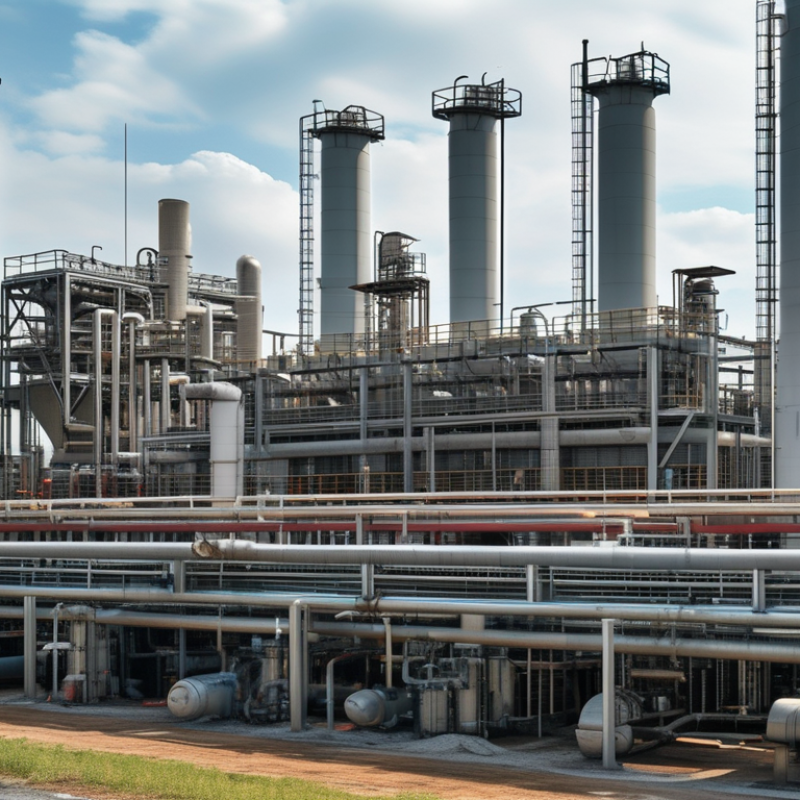
Fuel gas filtration systems play a crucial role in maintaining the efficiency and safety of gas applications. These systems filter out contaminants like dust, rust, and moisture that can affect equipment performance. Without proper filtration, gas systems may suffer from reduced efficiency and increased maintenance costs. The nuances of gas quality often go unnoticed by many. However, ensuring clean fuel gas is essential for optimal system operation.
Different filtration methods exist, each with its unique advantages. Some filters use mechanical means, while others rely on chemical processes. Factors such as particle size and gas flow rate influence the choice of filter. It's critical to assess your specific needs based on the type of gas being used. The installation of the right filtration system can significantly increase the lifespan of downstream equipment. While selecting a system may seem straightforward, many companies overlook the importance of regular maintenance and monitoring.
Companies often underestimate the long-term implications of inadequate filtration. Contamination can lead to costly downtime and repairs, directly impacting productivity. Understanding the filtration system’s requirements is vital. Thoughtful consideration of the operating environment and the type of contaminants present is essential. Regular assessments ensure the system remains effective, preventing compromise to gas quality.
Key Components of Fuel Gas Filtration Systems Explained
Fuel gas filtration systems play a critical role in ensuring the quality and safety of gas for various applications. Understanding their key components can help improve efficiency and reduce operational issues. One vital component is the pre-filter, which captures larger particles and contaminants before they reach main filtration systems. This step is crucial as it prevents equipment wear and potential system failures.
Another essential element is the coalescer filter. It targets smaller droplets of moisture and hydrocarbon liquids, which can cause serious problems in pipelines and combustion systems. By removing these contaminants, a coalescer enhances the overall reliability of fuel gas supply. Additionally, monitoring equipment provides insights into the filtration process, helping operators identify potential clogging or maintenance needs before they escalate.
A key consideration is regular maintenance. Failure to maintain these systems can lead to inefficiencies and increased costs. Many operators overlook the importance of timely inspections and replacements. A thorough understanding of each component ensures better performance and longevity. It fosters a proactive approach to fuel gas filtration, ultimately contributing to safer and more reliable operations.
Top 5 Fuel Gas Filtration Systems: Features and Benefits
Fuel gas filtration systems play a crucial role in maintaining the quality and safety of fuel gas. These systems remove contaminants, protecting downstream equipment and ensuring efficient operation. A reliable filtration system can increase the lifespan of your machinery. It can also enhance overall performance by ensuring that only clean gas reaches combustion systems.
When selecting a filtration system, consider features like filtration efficiency, ease of maintenance, and pressure drop. High-efficiency filters capture smaller particles, while easy-to-replace designs reduce downtime. However, some systems may require frequent filter changes, which can be a challenge. It's essential to balance maintenance needs with operational demands.
Investing in the right system can provide significant long-term benefits. Improved fuel quality can lead to better combustion efficiency and reduced emissions. Nonetheless, every system has its limitations. Evaluating specific operational requirements and potential challenges is necessary. A tailored approach can yield better results and ensure reliability in performance.
Comparison of Performance: Choosing the Right System for Your Needs
When selecting a fuel gas filtration system, understanding performance metrics is crucial. Many systems vary in efficiency, leading to significant operational costs. A study by the Gas Technology Institute indicates that improper filtration can decrease system efficiency by 25%. This highlights the need for careful evaluation when choosing a system.
Consider flow rate, pressure drop, and maintenance needs as key performance indicators. Flow rate measures how efficiently gas passes through the filter. Systems with high-pressure drops may not perform well, impacting your overall energy consumption. A report by the International Energy Agency suggests that a poorly maintained system can consume 30% more energy than a well-maintained one. Reflecting on these aspects can help in finding the right match for specific operational requirements.
While many systems claim high efficiency, actual performance can vary. Industry professionals often underestimate maintenance demands, leading to unexpected costs. Striking the right balance between filtration efficiency and maintenance is essential. Pay attention to user feedback and lifecycle data to ensure optimal selection for your needs.
Maintaining Fuel Gas Filtration Systems for Optimal Efficiency
Maintaining fuel gas filtration systems is essential for efficiency. Regular checks on filters can prevent issues. With time, filters collect dirt, dust, and other debris. This buildup can impair gas flow. Unclogged filters ensure smoother operation.
Routine maintenance includes replacing filters as needed. Inspecting connections and seals is also vital. Any leaks can lead to pressure drops and inefficiency. Keep an eye on system pressure readings too. A drop may indicate filter issues. Attention to these details can save costs in the long run.
Cleansing the system periodically aids performance. Even minor neglect can escalate into major problems. Proper training for staff ensures protocols are followed. Knowledgeable personnel can detect early signs of wear. A proactive approach guarantees optimal function and longevity of the system. Regular audits help maintain standards and avoid unnecessary downtimes. Balancing all these factors leads to a resilient system.