Ultimate Tips for Choosing an EV Charger Wall Plug?
Choosing the right Ev Charger Wall Plug can feel overwhelming. With various options on the market, making an informed decision is crucial. This choice impacts your electric vehicle charging experience.
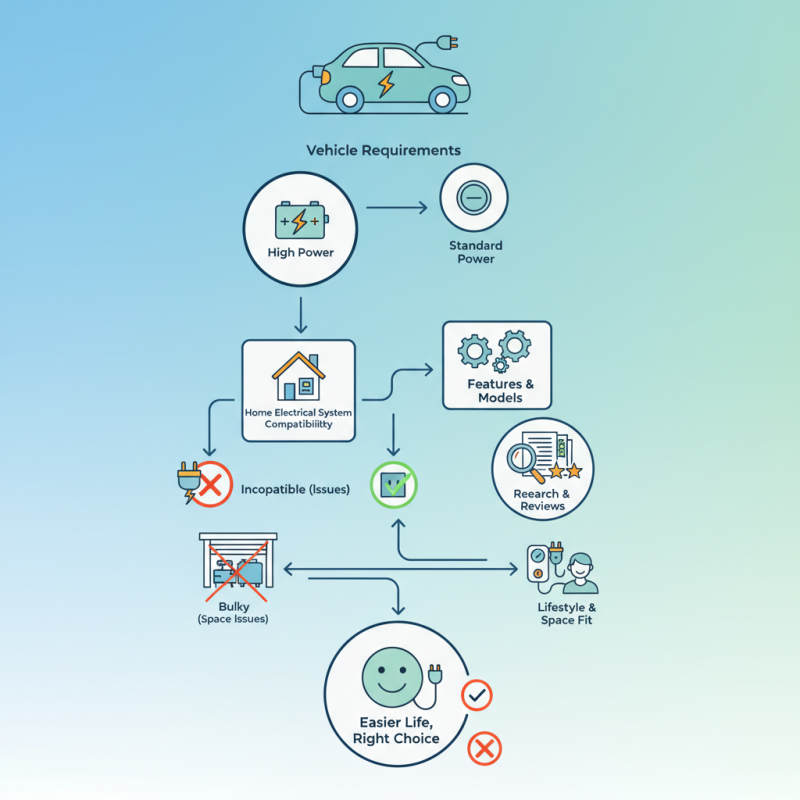
Consider your vehicle’s charging requirements. Some EV models need more power than others. Think about your home’s electrical system too. An incompatible wall plug can lead to issues. Detail is key. Not all wall plugs offer the same features.
While many plugs claim to be user-friendly, they might still confuse first-time buyers. Take time to read reviews and compare models. It's essential to reflect on your garage space. A bulky charger could take up too much room. Make sure the plug aligns with your lifestyle and needs. The right EV charger wall plug should make your life easier, not harder. Evaluate carefully and avoid hasty decisions.
Understanding the Different Types of EV Charger Wall Plugs
When selecting an EV charger wall plug, it's crucial to understand the various types available. Level 1 chargers are the most basic option. They use a standard household outlet. Charging time is slow, often taking over 12 hours for a full charge. While convenient, this option can be limiting for daily use.
Level 2 chargers offer a faster, more efficient solution. They require a dedicated circuit and a higher voltage. Charging can take just a few hours, making them ideal for home use. However, installation may involve additional costs. You need a professional electrician to ensure safety and compliance.
DC fast chargers are the most advanced option. They provide rapid charging and can significantly reduce wait times. However, these chargers are generally found in public places. They also require more substantial infrastructure. Some users may find these chargers less accessible for home use. Consider your charging needs carefully when making your choice.
Ultimate Tips for Choosing an EV Charger Wall Plug
| Type of Charger | Charging Speed | Compatibility | Installation Type | Price Range |
| Level 1 Charger | 2-5 miles per hour | Most EVs | Plug-in | $300 - $600 |
| Level 2 Charger | 10-60 miles per hour | Most EVs; Required for some | Wall-mounted | $500 - $1,200 |
| DC Fast Charger | 60-100+ miles per 30 minutes | Select EVs Only | Commercial | $10,000 - $40,000 |
| Smart Chargers | Variable; depends on settings | Most EVs | Wall-mounted | $600 - $1,500 |
Key Factors to Consider When Choosing an EV Charger Wall Plug
When choosing an EV charger wall plug, several key factors come into play. One important consideration is the charging speed. The power output of the charger significantly impacts how quickly your vehicle can charge. Check the kilowatts of the charger. A higher output means shorter charging times, which can be critical for daily use.
Another factor is compatibility. Not all chargers work with every electric vehicle. Review the specifications of your car. Ensure the wall plug you select matches its requirements. Some users overlook this aspect and end up with chargers that don’t fit.
Additionally, think about installation options. Depending on your home layout, you may need a professional for installation. Assess the space where the charger will be placed. Inspect the electrical system to ensure it can handle the charger’s load. Some installations might require upgrades, which can add to the cost. Take time to evaluate these details thoroughly to avoid unexpected issues later.
Assessing the Charging Speed and Output of Wall Plugs
When choosing an EV charger wall plug, charging speed and output are critical factors. Recent industry reports indicate that Level 2 chargers can deliver between 3.3 kW to 19.2 kW of power. This range significantly impacts charging time. For instance, a 30 kWh battery can be charged in about 2-6 hours depending on the charger output. Homeowners should assess their daily mileage and battery size when selecting a charger.
Charging speed also varies with different plug types. A standard 120V outlet charges at a mere 1.4 kW. This is not suitable for daily use if you have a longer commute. Some reports suggest that around 54% of EV owners prefer Level 2 chargers for faster turnaround times. However, it is essential to consider installation costs and electrical capacity at home. Many homes may require upgrades.
A 2023 report highlighted that nearly 40% of EV owners experience insufficient charging at home. This reflects a need for better planning before installation. Ultimately, your electric service panel’s capability plays a crucial role in potential charging speeds. Assess these factors carefully to avoid issues later on.
Installation Requirements for EV Charger Wall Plugs: What to Know
When considering the installation of an EV charger wall plug, it’s essential to know the requirements. Electrical capacity is the first step. Check your home's electrical system. Are there enough amps available? Understanding this will prevent future complications. You might need an upgrade, which could be costly.
Next, think about the location. The EV charger must be easily accessible. A cluttered garage can pose challenges during installation and everyday use. Make sure to measure distances. It’s important for the cord to reach your vehicle without issues.
Finally, safety should always be a priority. Proper ground connections are critical. Electrical standards vary, and compliance is key. You may also want to consider future-proofing your installation. Anticipating future needs can save time and money. Consult with a professional if you’re unsure. Taking these steps will ensure effective charging and peace of mind.
Cost Analysis: Budgeting for Your EV Charger Wall Plug Purchase
When budgeting for an EV charger wall plug, understanding the costs is crucial. The price range can vary significantly based on features. Basic models may only cost a few hundred dollars. But advanced models can go up to a thousand. Installation fees can add another layer of expense. Sometimes, additional electrical work is needed. This can double your initial budget.
Consider energy efficiency and operational costs too. Lower energy consumption means savings over time. However, don’t overlook maintenance expenses. You might need to replace parts eventually. So, think long-term.
Review potential rebates and incentives available in your area. This can ease the financial burden. But be wary; not all programs are straightforward. Research thoroughly to avoid surprises. Finding the right balance between cost and functionality is often challenging. It requires careful consideration of your driving habits and home setup. Making impulsive decisions can lead to overspending or regretting your choice later.