What is Solar Hanging Lights and Why You Need Them?
Solar Hanging Lights have become increasingly popular in outdoor and indoor settings. These lights not only provide illumination but also add aesthetic value. According to a recent report by the Solar Energy Industries Association, the solar lighting market is projected to grow by 20% annually. This growth highlights the rising interest in eco-friendly alternatives.
Dr. Emily Green, a sustainable energy expert, emphasizes, "Solar Hanging Lights can transform any space into a vibrant atmosphere while being environmentally conscious." These lights work efficiently by harnessing solar energy, making them ideal for gardens and patios. Their ease of installation and various designs make them versatile for different tastes.
Many users appreciate the low maintenance aspect, yet some may overlook the importance of quality. Choosing the right product matters. Not all solar lights perform equally. Therefore, understanding the features and specifications is crucial for optimal performance.
Understanding Solar Hanging Lights: Definition and Functionality
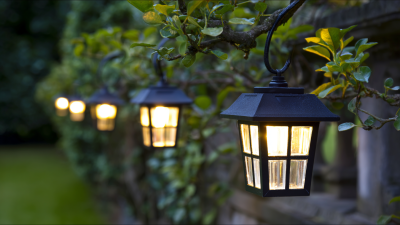
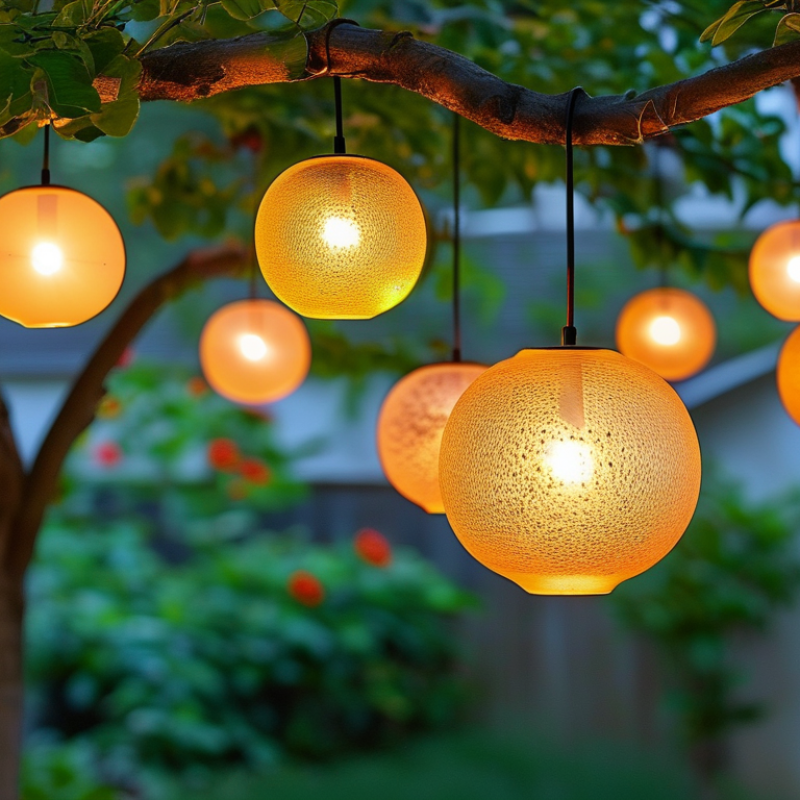
Solar hanging lights are an innovative solution for outdoor lighting. They harness sunlight during the day and illuminate your space at night. These lights are often designed to be hung from trees, pergolas, or hooks. This flexibility makes them versatile for various settings, including gardens, patios, and even camping areas. Their functionality goes beyond just aesthetics. They provide safety and security by lighting up dark areas.
The technology behind solar hanging lights involves solar panels that charge built-in batteries. During the day, these panels absorb sunlight, converting it into energy. This energy is stored and used to power the lights at night. Notably, these lights do not require wiring or electrical outlets. Installation is as simple as hanging them where needed. However, they do rely on sufficient sunlight for optimal performance. On overcast days, their brightness may diminish.
Choosing solar hanging lights can reduce energy costs while being eco-friendly. Homeowners often appreciate their ability to add charm to outdoor spaces without the hassle of traditional lighting setups. Yet, it is essential to consider the quality and durability of materials. Some lights may not withstand harsh weather conditions. Poorly designed options can lead to maintenance issues. It's vital to select products that offer lasting reliability and aesthetic appeal.
Key Benefits of Solar Hanging Lights for Outdoor Spaces
Solar hanging lights are becoming a popular choice for outdoor spaces due to their aesthetic and functional benefits. Research from the Solar Energy Industries Association indicates that solar energy usage has grown 167% over the past decade. This trend highlights the increasing adoption of solar technology in various applications, including outdoor lighting. These lights not only illuminate your patio but also enhance the ambience of your garden.
One key benefit of solar hanging lights is their energy efficiency. They harness sunlight during the day, converting it into energy for nighttime use. According to a report by the National Renewable Energy Laboratory, solar lighting systems can reduce energy costs by up to 80% compared to traditional lighting. This means you can save money while reducing your carbon footprint. Additionally, solar lights often have built-in motion sensors, providing security alongside their decorative role.
Durability is another important aspect. Most solar hanging lights are designed to withstand the elements, making them a reliable choice for outdoor use. However, it's essential to choose models with good waterproof ratings. Over time, cheaper lights may degrade faster under harsh weather, leading to disappointing long-term performance. Investing in quality solar lighting can yield better results, although some may find the upfront costs daunting.
How Solar Hanging Lights Work: The Technology Behind Them
Solar hanging lights are becoming increasingly popular for outdoor lighting. They harness sunlight through solar panels. The stored energy powers LEDs, providing light during the night. This technology is both simple and effective, making it suitable for homes and gardens.
According to industry reports, solar lighting systems have a significant advantage over traditional electrical systems. They can reduce energy costs by up to 80%. The average solar panel can produce about 300 watts per day. This output is enough to illuminate several hanging lights efficiently. However, some users may find that low sunlight days affect performance. It's crucial to consider local weather patterns when investing in solar products.
Moreover, the quality of solar hanging lights varies widely in the market. Consumers should research and compare options. Not all products withstand harsh weather conditions. Some may need replacement after a season. Understanding these factors ensures better long-term decisions. Embracing solar technology can provide sustainable lighting solutions while promoting environmental benefits.
Choosing the Right Solar Hanging Lights for Your Needs
When selecting the right solar hanging lights, consider factors like brightness, design, and battery capacity. According to a recent industry study, the global market for solar lighting is expected to reach $10 billion by 2026. This trend highlights the increasing demand for sustainable lighting solutions. Choose lights with adjustable brightness settings. This can enhance ambiance for outdoor gatherings while conserving energy when brighter light is not necessary.
Material is another important aspect. Look for durable options that can withstand different weather conditions. Plastic might be cheaper, but metal or glass tend to last longer. Research estimates that 30% of solar lights fail due to low-quality materials. Hence, investing in high-quality construction is crucial for longevity.
Think about the purpose of the lights. Are they for decoration, or do you need functional illumination? Some lights are designed for aesthetic appeal, while others focus on brightness. Before purchasing, ask yourself if you actually need all the features offered. Often, simpler designs can fit better in your space.
Benefits of Solar Hanging Lights
Installation Tips and Maintenance for Solar Hanging Lights
Installing solar hanging lights can enhance your outdoor space significantly. Start by choosing an area that receives ample sunlight during the day. Place the lights out of the shade of trees or buildings. This ensures optimal charging. If your lights come with adjustable hooks or chains, hang them at varying heights. This creates a more dynamic and visually appealing environment.
Regular maintenance is key. Check the solar panels for dust or debris that may hinder performance. A simple wipe with a cloth can make a difference. Additionally, replace batteries as needed. Over time, they may lose efficiency. During winter, consider taking them inside to prolong their lifespan.
Pay attention to how the lights illuminate your space at night. Do they cast enough light? If not, consider repositioning them. It’s essential to observe their effectiveness in different weather conditions too. Reflect on your choices and make adjustments as necessary for the best results.
What is Solar Hanging Lights and Why You Need Them? - Installation Tips and Maintenance for Solar Hanging Lights
| Feature |
Description |
Benefits |
Maintenance Tips |
| Energy Efficiency |
Powered by solar energy, reducing electricity costs |
Environmentally friendly, sustainable lighting |
Regularly clean solar panels for optimal performance |
| Versatility |
Can be used indoors and outdoors |
Enhances ambiance and decoration in any setting |
Check batteries annually, replace if necessary |
| Easy Installation |
No wiring required, easy to set up |
Saves time and reduces installation costs |
Ensure proper positioning for sunlight exposure |
| Automatic Operation |
Lights turn on/off automatically |
Convenient, no manual operation needed |
Test the sensors and replace batteries if malfunctioning |
| Safety Features |
Low voltage, heat-resistant materials |
Reduces fire and electrical hazards |
Inspect for wear and tear regularly |