How to Choose the Best Work Light for Your Needs?
When selecting the right Work Light, various factors come into play. The right illumination can enhance safety and productivity in various environments. According to a report by Smith & Associates, about 70% of workers believe proper lighting increases efficiency. Expert John Miller, a renowned lighting consultant, once stated, "The right Work Light can transform how you approach tasks." This insight emphasizes the significance of choosing suitable lighting.
Many options exist, each with unique features and benefits. Some lights are portable, while others are designed for permanent installation. We often overlook how the specific tasks will dictate our needs. For instance, mechanics may require bright, focused beams, while artists might prefer softer, diffused light. Understanding your requirements is crucial. Relying on general advice can lead to suboptimal choices.
Assessing your environment is just as important. Outdoor tasks might need waterproof designs, while indoor settings can prioritize aesthetics. Reflect on your priorities. The market has a range of solutions, but not all will meet your expectations. A thoughtful approach helps ensure you find the best Work Light tailored to your needs.
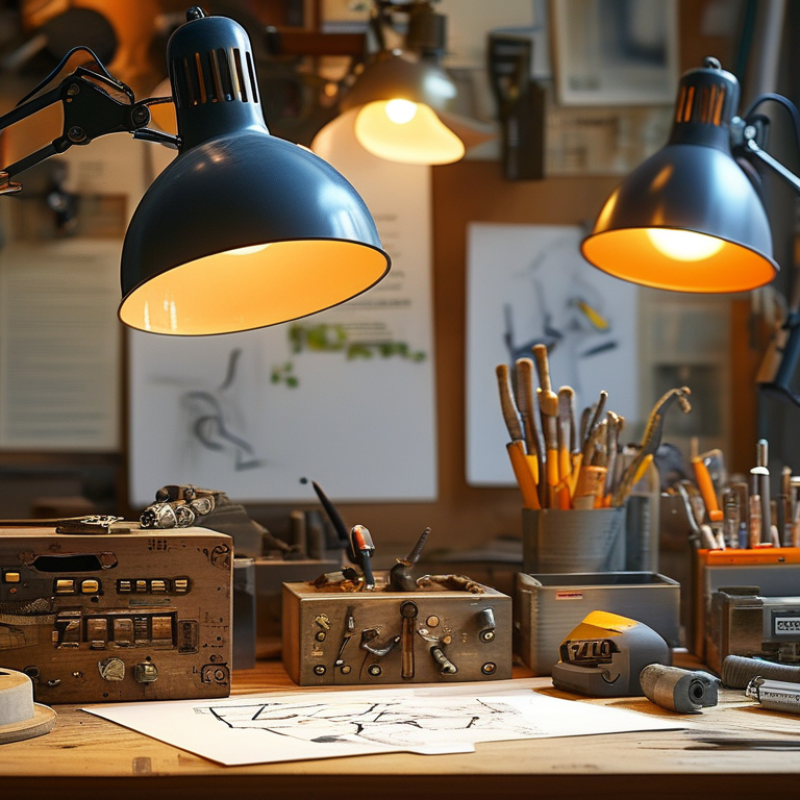
Types of Work Lights: An Overview of Options Available
When selecting the right work light, understanding the types available is crucial. Various options cater to different professional environments and needs. LED work lights are popular for their brightness and energy efficiency. They emit up to 100 lumens per watt, significantly outperforming traditional incandescent lights. This efficiency translates to lower energy costs and longer lifespans.
Portable work lights are versatile, making them ideal for jobs in remote areas. They often feature rechargeable batteries, allowing for mobility without sacrificing brightness. Compact and lightweight, these lights can be easily stored and transported. However, they may not provide as much illumination as larger models, leading to potential visibility issues in expansive workspaces.
Task lighting, specifically designed for close-up tasks, delivers focused beams. These lights can reduce eye strain during detailed work. Yet, it's important to balance bright task lighting with ambient sources. Too much direct light can cause discomfort.
Ultimately, evaluating your requirements and environments is essential to select an effective work light. Data suggests that nearly 40% of professionals experience challenges due to inadequate lighting, highlighting the importance of making careful choices.
Determining Your Light Output Needs for Specific Tasks
When choosing a work light, understanding your light output needs is crucial. Different tasks require different illumination levels. For detailed work like wiring or plumbing, you need bright, focused light. A lumen output of around 1000-2000 is ideal for these activities. Lower-output lights may suffice for general tasks like reading blueprints or assembling small parts.
**Tips:** Assess the environment where you'll use the light. Is it an open space or a cluttered area? Adjust your light choice accordingly. For outdoor projects, consider weather-resistant options.
Don't neglect shadows. Often, a bright light can create severe shadows. This can cause frustration during precision work. Test various angles and placements before committing to your setup.
**Tips:** Using a light with adjustable brightness can be beneficial. This way, you can customize the output for each task at hand. Also, think about your power source. Do you prefer battery-operated? Or will a plug-in light work better? Making practical decisions will enhance your productivity.
Assessing Portability and Power Source Requirements
Choosing the right work light involves careful consideration of portability and power source. Portability is crucial for those who need to move their light around frequently. Think about the weight and size. A lightweight design may be more convenient, especially if you require mobility. Compact models easily fit in tool bags or small spaces.
Check the power source options available. Battery-powered lights offer flexibility but may require regular recharging. If you are frequently in areas without access to power, this could be a downside. On the other hand, corded lights provide continuous power but can limit your movement. Evaluate where you will be working and which type best suits your environment.
Tips: Look for lights that come with an adjustable stand or hook. This feature adds versatility. Also, choose a light with multiple brightness settings. This allows you to adjust based on the task. Finally, consider LED options; they are energy-efficient and long-lasting, reducing the frequency of replacements. Your choice of work light can significantly impact your efficiency and comfort. Be thoughtful and balance the features that matter most to you.
Evaluating Durability and Weather Resistance Features
When selecting a work light, focusing on durability and weather resistance is crucial. Work environments can be unpredictable. A reliable light must withstand various conditions. Waterproof ratings are essential; look for IP65 or higher for protection against dust and water.
Consider materials used in construction. High-quality plastics or metals provide strength. LED lights in rugged casings are usually durable. They resist impact and can survive in harsh conditions. It’s important to check how well the light performs under extreme temperatures.
Tips: Always examine the product specs. Look for customer reviews highlighting durability. Real-world use often reveals flaws. Try to find a light tested in diverse weather conditions. This will ensure it meets your needs. Remember, durability is not just about being tough; it’s also about long-term reliability.
Budget Considerations When Choosing a Work Light
When selecting a work light, budget plays a vital role. The initial cost of a work light often fluctuates based on its features and technology. Reports indicate that work lights can range from $20 to over $200. This disparity often stems from durability and brightness. However, a higher price does not always guarantee a superior light.
Consider the lifespan of the light. Quality LED lights can last over 50,000 hours. This makes them cost-effective in the long run. Investing more upfront could save you money over time. Yet, some budget options might not provide sufficient brightness or durability. The key is to weigh short-term savings against long-term value.
It's crucial to match your work light to your specific needs. A high-cost industrial model may not be necessary for basic home tasks. Conversely, a cheap light might fail during critical operations. Understanding the balance of your requirements and budget can prevent frustration. Always research user reviews and expert recommendations. These insights can guide you to make informed decisions.