Why Choose PDLC Film for Your Next Project?
As the architectural and design landscape evolves, the demand for innovative materials grows. PDLC Film, or Polymer Dispersed Liquid Crystal Film, stands out for its versatility and aesthetic appeal. "PDLC Film transforms spaces by merging functionality with design," says Dr. Emily Chen, a leading expert in smart materials. Her insights highlight the potential of this technology in modern projects.
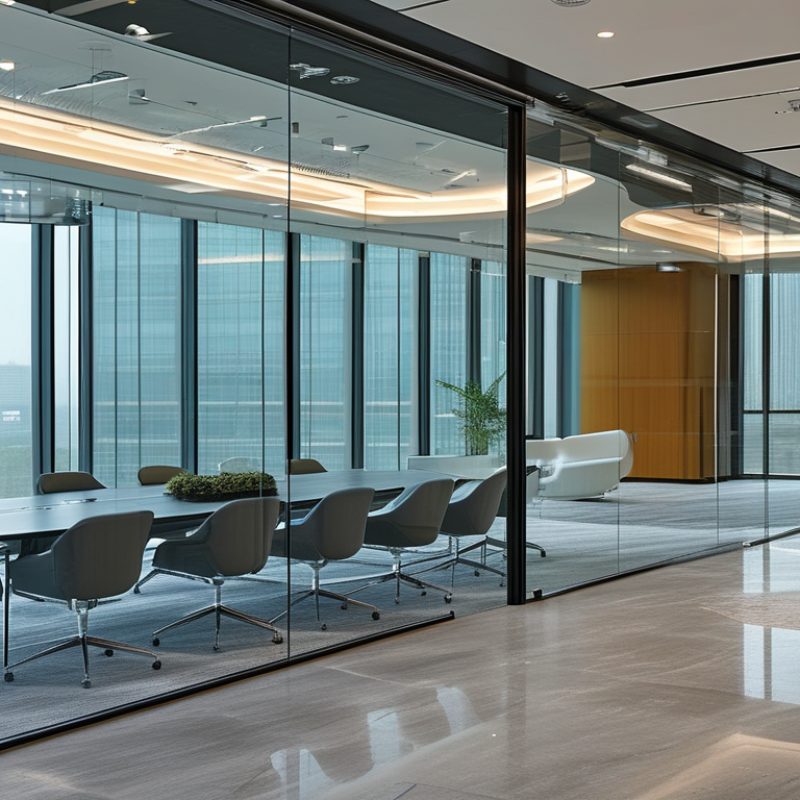
This film allows for dynamic control of transparency. It can seamlessly switch from opaque to clear with a flick of a switch. Imagine a conference room that can offer privacy with the touch of a button. The blend of privacy and openness is especially appealing in corporate environments.
Moreover, PDLC Film can enhance energy efficiency. It provides insulation benefits, reducing heating costs. However, it's essential to consider installation challenges. Not every surface is suitable for PDLC Film. Reflecting on these factors can lead to more informed decisions in design and project planning. The right application can elevate any space dramatically.
Benefits of PDLC Film in Modern Architecture and Design
PDLC (Polymer Dispersed Liquid Crystal) film is transforming modern architecture and design. This innovative material allows for dynamic changes in privacy and light control. With a simple switch, clear glass transforms into a frosted barrier. This flexibility makes PDLC film perfect for offices and residential spaces alike.
The benefits extend beyond aesthetics. PDLC film provides energy efficiency by reducing heat gain and glare. It enables natural light to penetrate without sacrificing comfort. In high-rise buildings, this technology controls solar exposure effectively. Designers and architects appreciate the modern look and functional versatility. Spaces can feel larger, open yet private, depending on the setting.
However, there are challenges to consider. Installation requires careful planning and expertise. Mismatched electrical systems can lead to performance issues. Maintenance of PDLC film may also demand specific cleaning techniques. Evaluating these factors is essential for successful integration into projects. Overall, PDLC film represents an exciting blend of form and function in today’s architectural landscape.
Energy Efficiency: How PDLC Film Reduces Heating and Cooling Costs
PDLC film, or Polymer Dispersed Liquid Crystal film, offers many benefits for energy efficiency. A significant advantage is its ability to control heat and light transmission. When applied to windows or partitions, PDLC film can switch from transparent to opaque. This characteristic plays a vital role in managing indoor temperatures.
Using PDLC film can significantly reduce heating and cooling costs. During hot months, the film prevents excessive sunlight from entering, which lowers the need for air conditioning. Conversely, during colder months, the film acts as an insulator, retaining warmth within a space. This dual capability can lead to substantial energy savings year-round.
**Tips:** Consider installing PDLC film in areas that receive direct sunlight. Regular maintenance is essential to ensure performance. Always consult with a professional to select the right film type for your specific project needs. This expertise can prevent potential pitfalls related to installation or usage.
Privacy on Demand: The Functionality of Switchable Glass Solutions
Switchable glass solutions, like PDLC film, offer unique privacy features. These films can turn from transparent to opaque with the flip of a switch. This functionality is perfect for offices or homes where privacy is essential. You can enjoy an open layout without sacrificing seclusion. This is especially useful in conference rooms, where you need privacy during meetings.
Tip: Always consider the lighting conditions. Direct sunlight can affect the film's clarity. Ensure the film is applied in a controlled environment for the best results. This choice greatly enhances the working atmosphere.
Moreover, PDLC film is energy efficient. When in opaque mode, it can help regulate room temperature. This can lead to reduced energy costs over time. However, installation requires professional help for optimal performance. Misalignment or improper application can lead to issues that are hard to fix later on.
Tip: Do thorough research on the installation process. Understand the long-term maintenance requirements. Small oversights can lead to big problems down the line. The balance between aesthetics and functionality is key. Choose wisely, and you’ll create spaces that work for you.
Durability and Maintenance: Longevity of PDLC Film in Various Environments
PDLC (Polymer Dispersed Liquid Crystal) film has gained attention for its unique properties and potential applications across various sectors. One of the most notable aspects of PDLC film is its longevity and durability. Recent industry reports highlight that PDLC film can withstand diverse environmental conditions, including extreme temperatures and humidity variations. This durability ensures that the film maintains its optical properties over time, thereby reducing the need for frequent replacements or maintenance.
In terms of maintenance, PDLC films require minimal upkeep. Their surfaces are typically resistant to dust and dirt accumulation, contributing to consistent performance. According to a study by the International Journal of Material Science, PDLC films show a degradation rate of less than 5% over five years in outdoor applications. Such statistics underscore the reliability of these films in demanding environments. However, there are instances where improper installation can affect performance. Ensuring correct application is crucial for maximizing the lifespan of the film.
Moreover, the adaptability of PDLC films in various environments is significant. Whether used in residential, commercial, or industrial settings, their ability to transition from transparent to opaque enhances energy efficiency. This is particularly vital in climates with extreme heat and sunlight exposure, where energy savings can exceed 30% annually. While the benefits are clear, projects must consider the logistical aspects of installation to truly capitalize on the advantages of PDLC technology.
Market Trends: Growth and Adoption Rates of PDLC Technology in Industries
The growth of PDLC (Polymer Dispersed Liquid Crystal) technology is reshaping various industries. It is rapidly adopted in sectors like architecture, automotive, and healthcare. The flexibility of PDLC film offers unique design possibilities. When powered, it transforms from opaque to transparent. This feature captures the interest of many businesses looking to enhance functionality.
Current market trends show that the demand for PDLC film is increasing. Industry reports indicate a significant rise in adoption rates. Companies are realizing the advantages of PDLC technology. It allows for privacy on demand, which is crucial in spaces like offices and hospitals. The ease of installation also attracts architects seeking to modernize their projects.
However, there are challenges that come with the growing popularity of this technology. Some users need to adapt to maintenance requirements. Additionally, the initial investment can be high, which may deter some businesses. As industries explore PDLC, the feedback loop will help refine the technology further. The future of PDLC film looks bright, driven by innovation and real user needs.