How to Choose the Best Solar Panel Connectors for Your Needs?
Choosing the right Solar Panel Connectors is crucial for maximizing your solar energy system's efficiency. Recent reports indicate that up to 20% of energy loss can occur due to improper connections. This highlights the importance of selecting high-quality connectors that ensure a secure and reliable performance.
Numerous options exist in the market, and understanding their specific features is essential. Not all connectors are created equal; some are designed for ease of installation, while others prioritize durability in harsh environments. As the solar industry grows, so does the variety of connectors available. Evaluating their specifications can be overwhelming but necessary for optimal system performance.
Additionally, the demand for solar energy is increasing, with a projected growth rate of over 20% annually in the global solar market. This surge amplifies the need for reliable Solar Panel Connectors that can withstand varying conditions. Reflecting on these details can lead to better choices, ensuring your solar panels work efficiently and effectively.
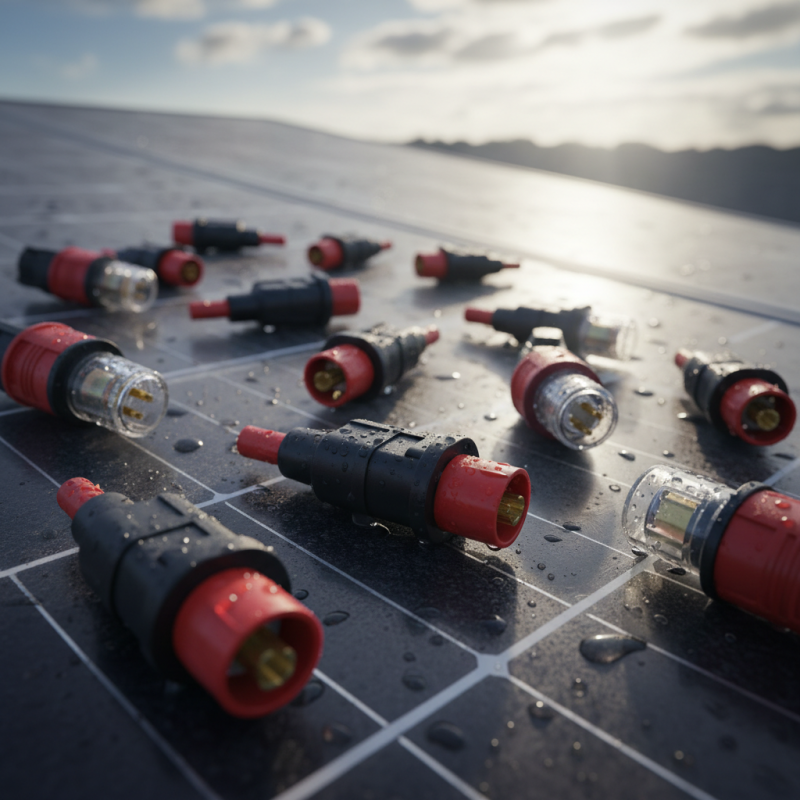
Understanding the Importance of Solar Panel Connectors for Efficiency
When considering solar panel installations, connectors play a crucial role in overall efficiency. Studies show that quality connectors ensure minimal energy loss during transmission. A report by the National Renewable Energy Laboratory indicates that improper connections can result in up to 3% energy loss. This is significant, especially for large-scale solar projects.
Choosing the right type of connector is essential. Connectors must withstand various environmental conditions while maintaining strong electrical connections. Temperature fluctuations can affect performance. Research has shown that connectors can degrade when exposed to extreme temperatures. Inappropriate connector choices may also lead to higher maintenance costs over time. Reliable connectors can last up to 25 years, thereby reducing long-term costs.
Understanding the nuances of connector types can be overwhelming. There are several variations, each with distinct benefits. For example, MC4 connectors are common but not always optimal for high-voltage systems. Many overlook the importance of compatibility between connectors and panels. A mismatch can lead to failure and increased risks. Investing time in research ensures better energy retrieval and system longevity.
Types of Solar Panel Connectors: A Comprehensive Overview
Choosing the right solar panel connectors is crucial for efficiency and safety. There are several types available. MC4 connectors are the most common, known for their reliability and ease of use. These connectors can withstand high temperatures and are waterproof, providing a secure connection. However, their compatibility with other connectors can sometimes be an issue.
Another type is the XT60 connector. This is favored for high-current applications. XT60 connectors can carry up to 60 amps, making them suitable for various solar setups. Yet, users need to be aware of the risk of heat buildup if not properly installed.
When selecting connectors, consider the environment. In humid areas, it’s vital to choose waterproof options. Pay attention to the ratings of the connectors. A report from the Solar Energy Industries Association (SEIA) indicates that poor connections can reduce efficiency by up to 25%.
Tips: Always verify compatibility before installation. Frequent checks can prevent failures. Using heat-shrink tubing can enhance durability. Ensure connections are tight, but avoid over-tightening, which can cause damage.
Key Factors to Consider When Choosing Solar Panel Connectors
When selecting solar panel connectors, understanding key factors is essential. These connectors ensure the efficiency and longevity of solar systems. According to a report by the National Renewable Energy Laboratory, improper connector choices can lead to a 10-15% decrease in energy output. This highlights the importance of making informed decisions.
One critical factor is the material composition of the connectors. Copper connectors are often favored for their superior conductivity compared to aluminum. However, they can be more expensive. Environmental resistance is another consideration. Connectors should withstand UV exposure and extreme temperatures. The International Electrotechnical Commission (IEC) emphasizes the need for connectors rated to handle harsh conditions, which is vital for long-term performance.
Compatibility is crucial as well. Ensure that connectors match your solar panels and inverters. Mismatched connectors can cause inefficiencies and potential failures. Additionally, pay attention to the connector’s certification. Look for compliance with standards such as UL 6703. While many products may seem similar, lacking appropriate certifications could lead to security risks and system performance issues. Hence, thorough evaluation is important.
Compatibility: Ensuring Your Connectors Match Your Solar System
When selecting solar panel connectors, compatibility is crucial. Not all connectors work with every solar system. Each solar panel may have specific connector types such as MC4, Tyco, or Amphenol. This makes it essential to check the specifications of both your panels and connectors. Industry guidelines suggest that mismatched connectors can reduce system efficiency by over 10%.
Tip: Always verify the connector type your solar panels require before purchase. This avoids installation delays and potential damage.
Additionally, consider wire gauge and connector rating. Connectors must handle the voltage and current of your system. For instance, most residential solar systems operate at 600 volts. According to the National Renewable Energy Laboratory (NREL), using connectors rated below this can be hazardous.
Be mindful of weather resistance as well. Connectors exposed to outdoor elements should be UV resistant and waterproof. Regularly inspect connectors for wear and corrosion. A simple visual check can save you from significant maintenance issues down the line.
Tip: Keep a checklist for regular inspections of solar connectors. Identify potential weaknesses early to avoid safety hazards.
Installation and Maintenance Tips for Solar Panel Connectors
When choosing solar panel connectors, installation is key. Proper installation ensures efficiency and longevity. Follow the manufacturer's guidance closely. Connectors must be compatible with your panels. Industry reports show that improper connections can cause energy losses of up to 20%. Regularly check the connectors for corrosion or damage, especially in harsh weather conditions.
Maintenance is crucial for solar panel connectors. Keep them clean and free from debris. Dust and dirt can impede performance. Some studies indicate that monthly inspections can prevent significant issues over time. Don't overlook the importance of a tight seal. Loose connectors may lead to hot spots. Over time, this can reduce the lifespan of your solar system.
Understanding the various types of connectors is essential. Options include MC4 and SMA connectors, each with unique benefits. Choosing the right type can affect system efficiency. Reflect on your specific needs for durability and flexibility. Remember, not all connectors are created equal. The right choice reflects careful consideration and knowledge of the solar industry.
How to Choose the Best Solar Panel Connectors for Your Needs? - Installation and Maintenance Tips for Solar Panel Connectors
| Connector Type | Voltage Rating (V) | Current Rating (A) | Material | Weather Resistance | Installation Ease |
| MC4 | 1000 | 30 | Plastic & Copper | IP67 | Moderate |
| Amphenol | 1500 | 40 | Plastic & Silver | IP68 | Easy |
| H4 | 1000 | 30 | Plastic & Nickel | IP67 | Moderate |
| SolarLok | 1000 | 35 | Plastic & Copper | IP67 | Easy |
| PV-Socket | 1000 | 25 | Plastic & Gold | IP65 | Difficult |