


An Adult Electric Tricycle With Cover can make everyday riding feel more practical when rain, wind, or a heavy grocery bag would otherwise change the plan. The cover offers a sheltered space around the rider, while three wheels can make low-speed stops and loading feel less demanding. Picture a damp morning, a basket of groceries, and a route with several traffic lights. Small comforts matter there. Still, a cover is not a promise of dry clothes or safe handling in every condition.
Demand for electric bikes has grown, but market growth alone cannot prove that a tricycle suits every rider. PeopleForBikes, using Circana retail data, reported that U.S. e-bike sales rose 269% from 2019 to 2022. That figure signals wider interest in electric cycling, not a guarantee of performance or comfort. A covered tricycle’s motor, battery range, braking, seating, and visibility deserve close attention. So does its turning behavior: three wheels may feel steady at a stop, yet sharp turns still call for care. Weather still wins sometimes. Before choosing, compare the cover’s ventilation and entry access, then check whether the tricycle fits your storage space and regular routes. A short test ride can reveal details a product page misses, such as awkward steering or limited legroom. The right choice depends on the rider, the route, and honest expectations.
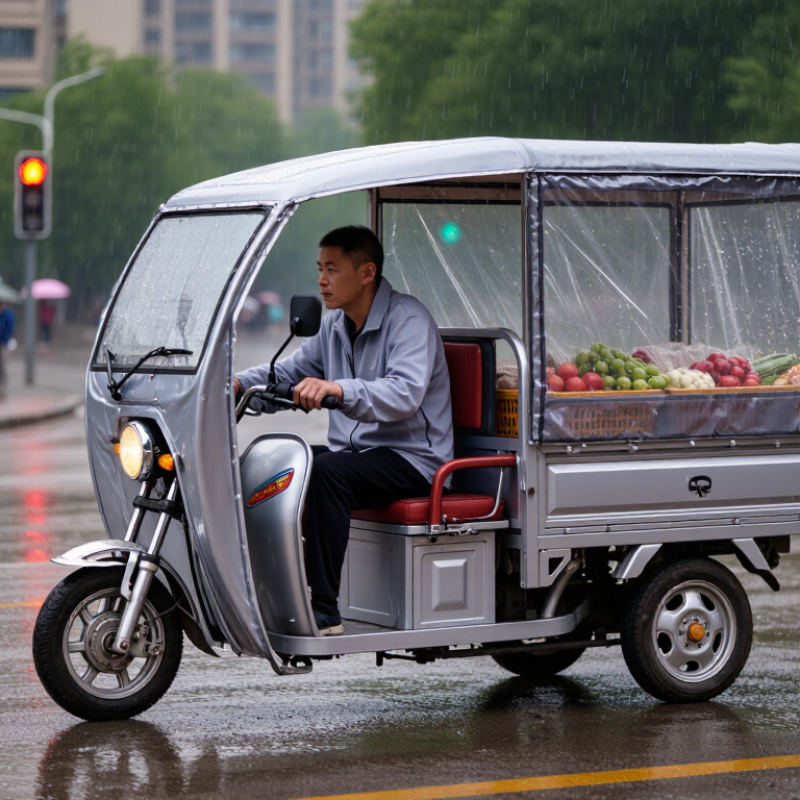
An adult electric tricycle with a cover is a three-wheeled cycle fitted with an electric-assist system and an overhead shelter. The motor helps the rider pedal, while the extra wheel can make slow-speed handling feel steadier. The cover may be a simple canopy above the seat, or a larger structure with side panels. These designs are not interchangeable. A canopy blocks some sun and light rain; it does not necessarily create a sealed cabin.
Look closely at how the cover attaches and what it leaves exposed. A roof, clear panels, and open sides each affect airflow, visibility, and protection differently. On a damp commute, a canopy may keep rain off a seat and the rider’s shoulders, while shoes and lower legs still get wet. That matters. A cover can also catch side winds, and bulky supports may make mounting less convenient. Check the headroom, the view through any panels, and whether the cover suits your usual route. It is easy to focus on weather protection and overlook ventilation. That trade-off deserves a real test, ideally with the tricycle stationary and the cover in place.
An adult electric tricycle’s motor helps with starts, hills, and longer rides. Pedal-assist models add power as you pedal, while throttle systems may move the trike without steady pedaling. Either way, the motor can make carrying groceries or navigating a gentle incline feel less demanding.
Less effort, steadier progress.
A cover changes the ride by shielding the rider from light rain, wind, and direct sun. The two features work best when they are designed to accommodate each other. A well-fitted cover should leave room for steering, braking, and getting on or off the tricycle. Clear windows can help preserve visibility, while vents reduce trapped heat and condensation. On a cool, drizzly ride, the cover may make electric assistance more comfortable to use. But it is not a sealed cabin, and strong wind can still reach the rider.
There is a trade-off: fabric and frame panels can add weight and wind resistance, which may affect battery range. The exact effect depends on the cover, route, rider, and weather. Check that panels stay clear of the wheels and controls, and that the motor remains accessible for routine inspection. A cover is useful, but it cannot replace suitable clothing or careful riding in poor conditions.
An adult electric tricycle with a cover can make everyday rides more comfortable when the weather changes. A roof helps block direct sun, while side panels can reduce wind and light rain. On a cool morning, that protection may make a short trip to the shops feel less tiring. The seat, handlebars, and controls also stay drier, which matters when you need a steady grip. Small comforts add up.
A covered cabin can offer extra security, but it should not replace careful riding. Choose a design with clear sightlines, and check that mirrors and lights remain visible from every angle. Before setting off, test the brakes and look for loose panels that might flap in strong wind. A cover is not a magic shield. Heavy rain can still reach open sides, and enclosed spaces may feel warm on still days. Ventilation matters. Take a familiar route first, and notice how the cover affects turning and visibility. That little check can prevent surprises.
A covered adult electric tricycle may help older adults who want short, independent trips but find walking tiring. It can also suit riders with limited stamina, balance concerns, or joint discomfort, provided they can mount, steer, and brake comfortably. A low step-through frame and reachable controls matter. So does a safe place to park it. A cover may reduce exposure to light rain and strong sun, but it cannot replace suitable clothing or careful route planning.
The CDC reports that more than 14 million U.S. adults aged 65 and older experience a fall each year. That figure is a reason to assess individual needs, not proof that a tricycle prevents falls. Riders should test turning, stopping, and mounting on level ground before using busy routes. A companion or occupational therapist can help assess fit. Some people may still feel unsteady. That matters.
A covered tricycle may also appeal to caregivers and adults who prefer local errands over driving. AARP’s 2024 Home and Community Preferences Survey found that 75% of adults aged 50 and older want to remain in their current homes as they age. A practical ride can support nearby trips, such as carrying groceries from a corner shop. Check the cover’s visibility, ventilation, and ease of entry; poor airflow can make warm rides uncomfortable. Rain protection is useful, but it is not weather-proofing.
When choosing an adult electric tricycle with a cover, start with fit and everyday use. Check the seat height, step-through space, handlebar reach, and room for your feet. A test ride can reveal awkward steering that product measurements miss. Try it with the cover fitted, if possible. The extra frame can affect how easily you turn or park.
Look closely at the cover’s materials and design. Clear panels should provide a useful view without too much glare, while vents help reduce stuffiness on warm days. Check how securely doors or side panels close, and whether you can open them from the seat. Small details matter. A cover that flaps in a crosswind may become tiring, even on a short trip.
Then compare the motor, battery, brakes, and carrying capacity with your real routes. A long stated range may shrink on hills, in cold weather, or with a heavy load. Ask how far the battery travels under conditions similar to yours. Check that the brakes feel predictable and that tires suit your usual pavement. Consider where you will store and charge the tricycle, too. It is easy to focus on comfort and overlook maintenance access; I would inspect the battery removal and tire service before deciding. A little awkwardness there can add up.
USA / Americas
1507 Capital Ave, Suite 102
Plano, TX 75074
+1 (214) 838-7010
8:00am – 5:00pm (GMT-6)
Australia / Asia Pacific
503 Cross Keys Rd,
Cavan SA 5094
+61 8 7200 3909
9:00am – 5:00pm (ACDST)
© 2025 Green Frog Systems. | Privacy Policy | Terms & Conditions


