Best Vehicle Power Inverter for Your Car Needs?
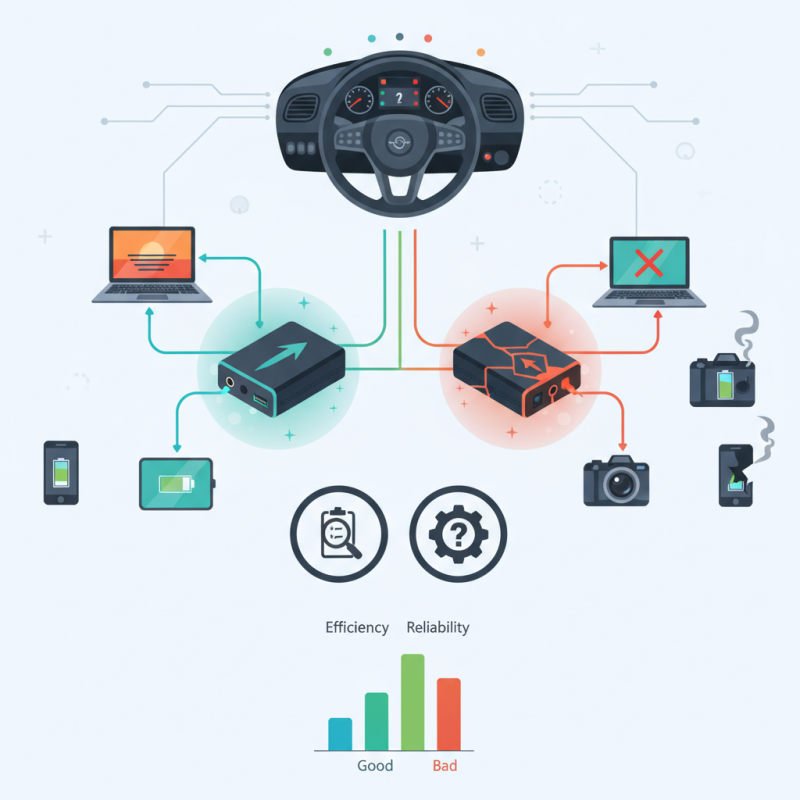
In the modern world, a vehicle power inverter can be a lifesaver. John Smith, an industry expert, emphasizes, “A quality inverter transforms your travel experience.” Whether on a road trip or daily commutes, these devices supply essential power. Imagine using your laptop while parked or charging a camera for a stunning sunset capture.
Yet, choosing the right vehicle power inverter can be challenging. Many options flood the market, with variations in wattage and output. It’s essential to match your needs with the right model. Some users rush into purchases, only to find their inverters lacking in essential features.
It’s important to do thorough research. Inverters can vary widely in efficiency and reliability. A poorly chosen inverter might leave you stranded with a dead device. Take the time to evaluate your needs; don’t settle for the flashy marketing gimmicks. A well-informed choice can enhance your travels significantly.
Understanding Vehicle Power Inverters: What They Are and How They Work
Vehicle power inverters are essential devices that convert your car's DC power into AC power. This conversion allows you to use standard household appliances while on the road. According to a report by Grand View Research, the vehicle power inverter market is expected to grow by over 9% annually. This growth highlights the increasing demand for portable power solutions.
Understanding how these inverters work is crucial. They take the 12-volt DC from your car’s battery and transform it into 110-volt or 220-volt AC power. This enables various devices, such as laptops and small kitchen appliances, to operate seamlessly. However, not all inverters are created equal. Some suffer from inefficiencies, wasting energy and potentially draining your vehicle’s battery faster than expected.
A practical consideration is the inverter's wattage rating. Power usage needs to be calculated carefully. For example, a laptop might need around 60 watts, while a mini fridge could require 100-300 watts. Choosing the right inverter is not just about convenience; it impacts battery life and overall system efficiency. Miscalculating your needs can lead to disappointment. It's essential to match the inverter's capacity with your actual power requirements.
Types of Vehicle Power Inverters: Modified Sine Wave vs. Pure Sine Wave
When choosing a power inverter for your car, understanding the differences between modified sine wave and pure sine wave inverters is crucial. Modified sine wave inverters are generally cheaper. They convert DC to AC but produce a waveform that is not smooth. This can lead to issues with sensitive electronics. Devices like certain chargers and audio equipment may not function optimally with this type.
In contrast, pure sine wave inverters deliver a smooth and clean power output. This makes them ideal for running high-end electronics, like laptops and medical devices, without any glitches. If you frequently power sensitive devices, a pure sine wave inverter is the better choice. However, they are more expensive. Weigh the importance of clean energy against your budget.
Tips: Consider what devices you plan to use in your vehicle. For occasional use, a modified sine wave inverter might suffice. If you travel often with sensitive tech, invest in a pure sine wave unit. Always check wattage requirements before purchase to avoid power issues. Remember, not all inverters fit every vehicle setup, so double-check compatibility.
Key Features to Consider When Choosing a Vehicle Power Inverter
When choosing a vehicle power inverter, understanding key features is essential. Wattage is crucial. Most inverters range from 200 to 3000 watts. A higher wattage can power more devices simultaneously. However, you must assess your needs. For simple charging, 300-600 watts might suffice. But if you plan to run larger devices, consider higher options.
Portability is another factor. Some inverters are compact and lightweight, ideal for travel. Others are bulkier, offering additional ports. Look for USB ports alongside AC outlets. Reports indicate that 70% of users prefer versatility in outlet types. Overheating protection is vital too. Inverters that include safety features help prevent damage to your devices and the inverter itself.
Lastly, consider efficiency ratings. Many inverters operate at 85-90% efficiency. This means less energy waste and better performance. Pay attention to noise levels as well. Some can be quite loud, which can be distracting while driving. Remember, not all inverters are created equal. Take time to read reviews and reflect on your own power needs before purchasing.
Top Vehicle Power Inverter Brands and Models for Different Needs
When searching for a power inverter for your car, consider your specific needs. Different models offer various features. Some provide multiple outlets. Others focus on compact designs for portable use. Think about the devices you'll charge. A larger inverter might be necessary for power-hungry items. Smaller models are ideal for charging phones and tablets.
Top brands often cater to a variety of situations. There are options for camping trips or long road journeys. Some designs are rugged, handling harsh conditions. Other models come with safety features like overload protection. It's important to assess the available space in your vehicle. A bulky inverter might not fit easily.
While choices are plentiful, not every model suits everyone. Take time to read reviews and specifications. It might feel overwhelming, and sometimes a popular model doesn’t meet your expectations. Reflect on what you truly need. Investing in the right inverter can enhance your travel experience significantly.
Installation Tips and Safety Precautions for Using Car Power Inverters
When installing a car power inverter, safety is key. Begin by selecting a well-ventilated area within your car to avoid overheating. Secure the inverter properly to prevent it from moving while driving. It’s important to avoid using extension cords. They can pose hazards in the confined space of a vehicle. Also, when connecting to your car's battery, follow the correct positive and negative terminals closely. Proper connections prevent short circuits, which could damage your equipment.
Regularly check the inverter for signs of wear or heating. If it feels hot, turn it off immediately. Inverters can draw significant power; limit the usage to essential devices only. Be cautious when charging multiple items simultaneously. Each piece of equipment adds strain to the inverter.
Always have a fire extinguisher accessible, just as a precaution. With the right precautions, you can safely enjoy power on the go, but remember: safety should always come first.