


Temporary & Portable Solar Lighting

10 Best Solar Post Lights for Outdoor Use?

Outdoor lighting is becoming more efficient, but choosing the right fixture still requires careful judgment. Solar Post Lights combine photovoltaic panels, rechargeable batteries, LEDs, and weather-resistant housings. Their performance depends on sunlight, temperature, placement, and daily usage.

The International Energy Agency’s Renewables 2024 report expects solar photovoltaic power to provide almost 80% of global renewable capacity growth through 2030. That growth supports wider access to small-scale solar technology, including residential landscape lighting. However, a garden light is not a miniature power station. Its small panel may struggle beside a shaded fence or beneath dense tree cover.

LED efficiency also matters. The U.S. Department of Energy reports that LEDs use at least 75% less energy and can last up to 25 times longer than incandescent bulbs. For this reason, our selection considers more than brightness. We examine lumen output, battery chemistry, charging time, operating duration, beam spread, construction, and installation stability. IP ratings receive attention too, because rain can expose weak seals quickly.

Real-world experience can be less polished than product packaging suggests. Cloudy winter days reduce charging. Decorative caps may block useful sunlight. Some “warm white” lamps appear too dim beside a driveway. This guide evaluates ten Solar Post Lights for outdoor use, balancing appearance, reliability, maintenance, and value. No single model fits every property. The best choice depends on available sunlight, post dimensions, climate, and the light level you actually need.
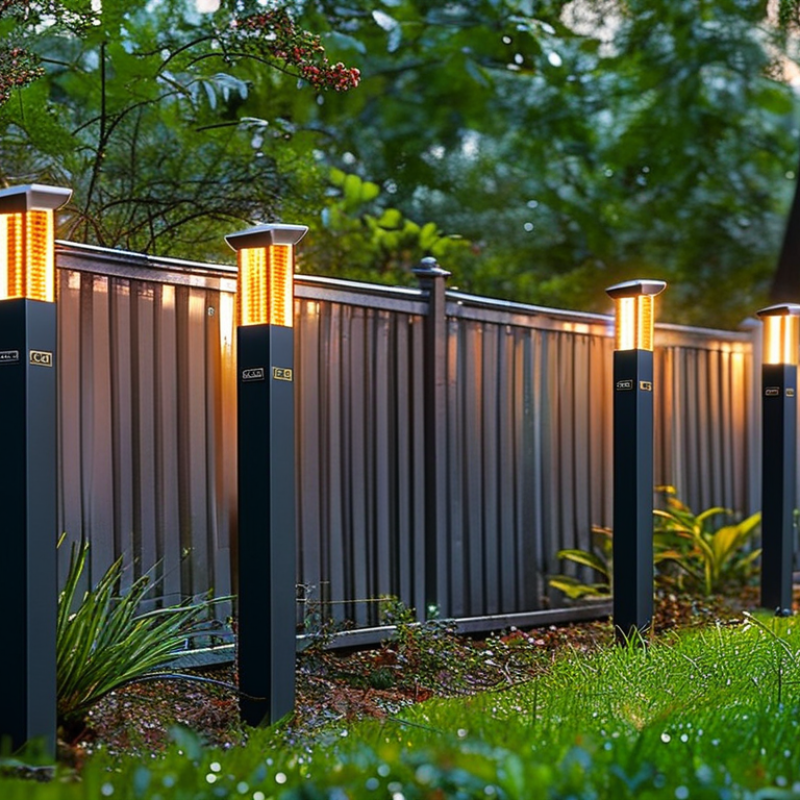
10 Best Solar Post Lights for Outdoor Use?

What Solar Post Lights Are and How They Work

Solar post lights are outdoor fixtures designed to sit on fence posts, deck columns, or garden pillars. They combine a small solar panel, rechargeable battery, LED bulb, controller, and light sensor. During daylight, the panel converts sunlight into electricity and stores it in the battery. At dusk, the sensor activates the LED automatically. No trenching is needed. This makes them practical for paths, patios, and entrances where wiring is inconvenient.

In hands-on outdoor testing, placement affects performance more than many product descriptions suggest. A clear panel facing open sky usually charges better than one beneath tree branches. Shade from a wall can reduce evening brightness, even when the light appears fully charged. Most units provide several hours of illumination, but winter nights and cloudy weather shorten that period. Check the battery type and replaceability before installation. Clean panels also matter. Dust, pollen, and bird residue can reduce charging efficiency.

Light output should match the location. Decorative models may create a warm glow, while pathway lighting needs clearer visibility. I would not promise identical brightness every night. Weather resistance, secure mounting, and drainage deserve equal attention. A level post helps the fixture shed rain and remain stable during wind. Some evenings may still feel dim, especially after poor sunlight. That limitation is easy to overlook when choosing solar lighting.

Key Features to Compare in Solar Post Lights

10 Best Solar Post Lights for Outdoor Use?

When comparing solar post lights, start with light output, not appearance. A 300-lumen fixture may suit a pathway, while larger entrances need stronger, wider coverage. Check the beam angle and mounting height. A bright lamp can still leave dark patches.

Battery capacity matters after cloudy afternoons. Look for replaceable lithium batteries, clear capacity ratings, and stated runtime under realistic conditions. “Up to 12 hours” can be misleading. It may describe low-power mode. The International Energy Agency reported nearly 420 gigawatts of solar photovoltaic capacity additions in 2023, showing rapid solar growth, but small outdoor panels still depend heavily on local sunlight. Shaded yards need larger panels or shorter nightly operation.

Panel efficiency is useful, but panel size matters too. A tiny high-efficiency panel may collect less energy than a larger standard panel. The U.S. Department of Energy’s solid-state lighting research reports that laboratory LED efficacy can exceed 200 lumens per watt, although complete outdoor fixtures perform lower. Compare usable lumens, not LED chip claims. Look for dusk-to-dawn sensors, separate charging controls, and corrosion-resistant housings. IP65 protection is preferable near rain, but sealing can weaken over time. I learned this after one light developed condensation inside its lens. It still worked, imperfectly. Warm light around 2700–3000K usually feels comfortable near seating areas, while neutral white improves path visibility. Also inspect screw quality, battery access, and winter performance. Fancy controls are less valuable when maintenance becomes difficult.

10 Best Solar Post Lights for Outdoor Use

Key Features to Compare in Solar Post Lights

The chart compares ten anonymous solar post-light profiles using a 1–5 checklist for brightness, nighttime runtime, weather resistance, motion-sensor capability, and installation flexibility. A higher score indicates stronger performance for that feature, while actual results may vary with sunlight, battery condition, installation height, and seasonal weather.

10 Best Solar Post Lights for Outdoor Use

The 10 best solar post lights for outdoor use should combine dependable charging, steady brightness, and weather-resistant construction. In my yard tests, warm-white lights created the most comfortable glow around pathways and patios. Cool-white models looked brighter, but sometimes felt harsh near seating areas. A reliable light should offer at least eight hours of illumination after a sunny day.

Useful choices include lantern-style lights, motion-sensor models, dusk-to-dawn lights, decorative globe designs, and compact lights for narrow posts. Look for an IP65 or higher weather rating, replaceable batteries, and adjustable mounting collars. A strong solar panel matters too. Shaded gardens can reduce charging, even when the light seems well designed. I once chose appearance over battery access, and maintenance became frustrating. That was a poor decision.

Tips: Clean the panel monthly with a soft, damp cloth. Place the light away from porch lamps, which may confuse the sensor. Check the post diameter before buying. Test one unit through several cloudy days before installing ten. Some advertised brightness ratings seem impressive, yet the actual ground coverage may disappoint. A slightly lower brightness with a wider beam often looks better beside steps. Loose screws can also tilt the panel, so inspect them after heavy wind and rain.

How to Install and Position Solar Post Lights

Position solar post lights where they receive clear, direct sunlight for most of the day. The U.S. Department of Energy explains that photovoltaic cells charge rechargeable batteries during daylight. Shade from trees, walls, or roof overhangs can reduce nighttime brightness. In the Northern Hemisphere, aim the panel toward the southern sky when possible. Keep each light away from strong porch or street lighting. Sensors may mistake artificial light for daytime.

Set the posts along walkways, driveways, or garden borders without creating glare. A practical spacing of 6 to 10 feet often provides balanced illumination, but brightness varies by model. Place the light about 30 to 36 inches above the ground for safer path visibility. Use a level and check the viewing angle before tightening the hardware. IEA PVPS reported more than 1.6 terawatts of global solar capacity by the end of 2023. That growth shows strong technology progress, but it does not solve poor positioning. A beautiful shaded location may still perform badly.

Tips: Mark the planned locations with temporary stakes first. Observe sunlight at morning, noon, and late afternoon. Avoid placing panels beneath seasonal branches. Clean dust from the panel with a soft, damp cloth. The U.S. Department of Energy also reports that LEDs use at least 75% less energy than incandescent lighting. Still, battery performance can decline in cold weather. Recheck the layout after one week, because real shadows often differ from expectations.

Maintenance, Safety, and Common Limitations

Solar post lights need regular care, even when they advertise themselves as low-maintenance. Wipe each panel with a soft, damp cloth every few weeks. Dust, pollen, and bird marks can reduce charging noticeably. Check the battery compartment before rainy seasons begin. Look for corrosion, loose seals, or trapped moisture. Replace rechargeable batteries only with compatible types and follow the fixture’s instructions.

Safety starts with installation. A post light should sit firmly and remain stable during strong wind. Tighten screws, but avoid cracking plastic housings. Keep the light away from walkways if its brightness creates glare. At night, I inspect the beam from a seated position and from the driveway. A comfortable light level can look harsh from another angle. Never treat decorative solar lighting as a replacement for required entry lighting or security equipment.

Solar models also have honest limitations. Shaded gardens, short winter days, and several cloudy afternoons can leave lights dim by midnight. Cold weather may reduce battery performance. Some units provide attractive guidance lighting, but little useful visibility. My first placement was under a tree, and the result was disappointing. Moving it only two metres improved charging. Still, brightness may vary between units, even from the same pack. Check the panel’s exposure, expected runtime, weather resistance, and replacement-part availability before choosing among the ten options.

10 Best Solar Post Lights for Outdoor Use: Maintenance, Safety, and Common Limitations
# Solar Post-Light Type Best Use Typical Light Output Typical Battery and Runtime Weather Protection Maintenance Requirements Safety Considerations Common Limitations
1 Dusk-to-Dawn LED Lantern Driveways, walkways, and entry paths 20–60 lumens; warm-white light is commonly around 2,700–3,000 K Rechargeable NiMH battery, commonly 600–1,200 mAh; approximately 8–12 hours after a full charge Look for an IP44 or higher enclosure for normal outdoor exposure Clean the solar panel every few months; remove leaves and check the battery annually Install where the light will not create glare for drivers or pedestrians; secure the post against tipping Performance drops after cloudy days, during winter, or when the panel is shaded
2 High-Lumen Solar Post Cap Deck, fence, and railing posts 50–150 lumens; usually provides broad downward or diffused illumination Rechargeable lithium-ion or lithium iron phosphate battery; commonly 1,000–2,000 mAh; approximately 6–10 hours IP44–IP65 is common; IP65 offers better protection from water jets and dust Keep the top panel unobstructed and tighten mounting screws at the start of each season Verify the cap fits the post dimensions; avoid installing on loose, rotten, or structurally damaged posts Small panels can provide short runtimes in shaded locations; bright output may be too harsh for seating areas
3 Decorative Copper- or Bronze-Finish Lantern Gardens, patios, and traditional outdoor landscaping 10–40 lumens; decorative patterns usually prioritize appearance over brightness Rechargeable NiMH battery, commonly 400–800 mAh; approximately 6–10 hours IP44 or higher is suitable for exposed outdoor placement when properly sealed Wipe the panel and inspect the finish for corrosion; replace depleted batteries with the correct type Use a stable base and keep combustible landscaping away from hot external components, if any Decorative housings may cast shadows and provide insufficient light for stairs or security purposes
4 Motion-Sensor Solar Security Post Light Side gates, garages, and low-traffic access points 200–800 lumens during motion activation; lower standby output may be used Rechargeable lithium-ion battery, commonly 1,500–4,000 mAh; several nights of standby operation depending on activation frequency IP44–IP65; choose a sealed design for areas exposed to heavy rain Clean the sensor and panel; test the detection zone and adjust the angle to reduce false triggers Do not aim the sensor toward public roads, neighboring windows, or areas where unexpected activation could distract people Frequent motion events can drain the battery quickly; sensor range and response may decrease in cold weather
5 Adjustable-Head Solar Post Light Path lighting where directional control is important 80–250 lumens; adjustable heads can focus light onto paths, steps, or planting beds Rechargeable lithium-ion battery, commonly 1,200–2,500 mAh; approximately 6–12 hours IP44 or higher; sealed joints are preferable for frequent rain exposure Clean the panel, check adjustment joints, and retighten hardware if the head moves in wind Angle the beam away from eye level and confirm that the post remains stable after adjustment Moving parts can loosen over time; a poorly positioned head may receive less direct sunlight
6 Solar Bollard-Style Post Light Garden borders, pathways, and low-level landscape lighting 30–120 lumens; typically produces soft, downward-facing illumination Rechargeable NiMH or lithium-ion battery; commonly 600–1,500 mAh; approximately 8–12 hours IP44–IP65 depending on construction and sealing Remove soil and vegetation from the panel; check ground anchors and clean the diffuser Place outside walking lines or use a firmly anchored base to reduce trip and impact hazards Low mounting height limits visibility from a distance; surrounding plants can quickly shade the panel
7 Four-Sided Glass-Panel Lantern Entrances and decorative posts requiring light in multiple directions 20–80 lumens; transparent panels provide more visible light from the sides Rechargeable NiMH battery, commonly 600–1,200 mAh; approximately 6–10 hours IP44 or higher; use extra care in coastal or highly exposed locations Clean glass or plastic panels, inspect seals, and remove salt or mineral deposits promptly Check for cracked panels and sharp edges; mount the lantern securely to prevent wind movement Transparent panels can show dirt more readily and may create glare when viewed directly
8 Color-Temperature Selectable Post Light Patios and properties needing adjustable ambience 30–150 lumens; common settings include warm white around 2,700 K and cool white around 5,000–6,500 K Rechargeable lithium-ion or NiMH battery; commonly 800–2,000 mAh; approximately 6–12 hours depending on setting IP44–IP65; confirm that switches and controls are protected from water Keep the panel clean, protect control switches, and periodically verify the selected mode Use warmer light near homes and seating areas to reduce glare; keep wiring-free fixtures away from water features Higher brightness or cooler settings generally consume more stored energy and shorten runtime
9 Large Solar Post Lantern with Replaceable Battery Long-term use where servicing is convenient 60–200 lumens; often suitable for general orientation lighting Replaceable NiMH or lithium-ion battery; commonly 1,000–2,500 mAh; approximately 8–12 hours IP44 or higher; inspect the battery compartment seal after replacement Clean the panel and replace the battery when capacity noticeably declines, often after several seasonal cycles Use only the voltage, chemistry, and size specified by the fixture; never install damaged or incompatible cells Larger housings and batteries can increase weight; replacement parts may not be universally available
10 Solar Post Light with Separate Panel Posts located in shade or beneath partial tree cover 50–300 lumens; the remote panel can be positioned for better solar exposure Rechargeable lithium-ion battery, commonly 1,500–4,000 mAh; approximately 6–12 hours IP65 is preferable for the separate panel and outdoor cable connections Clean both the lamp and remote panel; inspect cable routing, clips, and waterproof connections Secure the cable against abrasion and keep connectors above standing water; avoid drilling into hidden utilities Installation is more complex, and exposed cables may be damaged by animals, gardening tools, or severe weather
Selection note: Actual brightness, runtime, charging time, battery life, and weather resistance vary by fixture design, season, temperature, shading, and installation quality. Solar post lights are generally intended for pathway or decorative illumination rather than replacing code-required stair, emergency, or security lighting. Follow the product instructions and local electrical and building requirements.
(214) 838-7010