


Commuting is rarely a straight, perfect journey. It may include a steep bridge, a narrow bike lane, groceries, rain, and an awkward office entrance. That is where an Electric Trike For Commuting can offer practical stability, carrying capacity, and a calmer riding position than many two-wheel e-bikes.
The Federal Highway Administration’s 2022 National Household Travel Survey confirms that many everyday trips remain short, making electric micro-mobility relevant for work commutes and local errands. Meanwhile, PeopleForBikes’ recent electric bicycle market data shows continued consumer interest in battery-assisted transportation, although sales patterns differ by region and price category. These reports matter because a trike should solve a real transport problem, not simply look impressive online.
Small details decide comfort. A 500Wh battery may handle regular urban distances, but hills, cold weather, rider weight, and cargo reduce range. A low step-through frame helps at traffic lights. Hydraulic disc brakes can improve control when the rear basket is loaded. A bright headlight matters before sunrise. So does a reliable parking solution.
Not every model succeeds.
Some trikes feel stable but turn slowly. Others carry heavy loads yet struggle on steep streets. This guide compares seven leading options for 2026, using practical criteria such as range, braking, comfort, storage, maneuverability, warranty support, and independent user experience. Manufacturer claims are useful, but they are not the whole story. A short test ride may reveal more than a polished specification sheet.
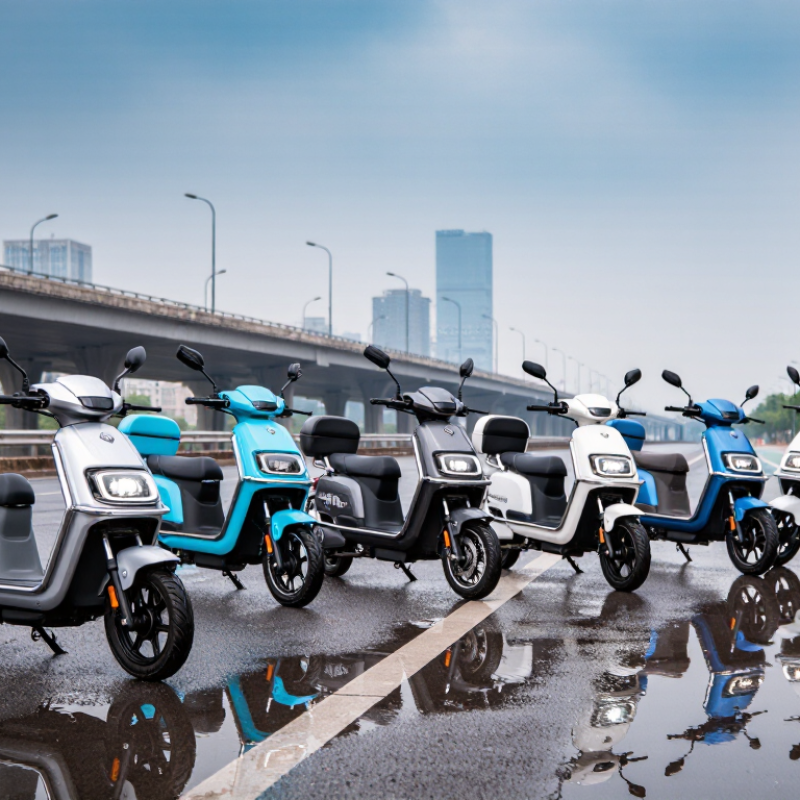
A practical electric trike for commuting in 2026 must solve everyday problems, not merely look powerful. The U.S. National Household Travel Survey found that nearly half of household trips are three miles or less. That distance suits electric assistance, but stop-and-go traffic demands more than battery range. A useful trike should provide predictable steering, strong low-speed balance, effective lights, and brakes that remain controllable in rain.
Carrying capacity matters too. The 2023 NACTO Shared Micromobility Report recorded about 157 million shared micromobility trips in the United States and Canada. That growth reflects demand for short, flexible journeys. A commuter trike should therefore hold a laptop, groceries, and weather gear without becoming awkwardly wide. A stable rear platform helps. So does a turning radius that fits narrow cycle lanes.
Battery claims need careful reading. Real range falls with hills, cold weather, rider weight, tire pressure, and frequent acceleration. The U.S. Department of Energy recommends checking energy use and charging conditions rather than trusting headline figures. I would also inspect the frame, wheel guards, parking brake, and charger certification before buying. Small details matter.
Some designs still compromise visibility for comfort. That is a weakness, not a feature. A bright front lamp, reflective surfaces, mirrors, and a clear display can reduce daily stress. The best commuting trike is not necessarily the fastest. It is the one that remains stable, repairable, and predictable after six months of ordinary use.
The best compact electric trike suits apartment dwellers and short urban trips. Choose a narrow frame, removable battery, and a turning radius below 2 meters. The best long-range trike needs a battery above 600 Wh and reliable hydraulic brakes. It fits commuters traveling 25 miles daily, though hills can reduce the advertised range. The best cargo trike carries groceries, tools, or children with a low center of gravity. Look for a rated load above 350 pounds, including the rider.
The best stability-focused trike has differential steering and wide rear wheels. It feels calmer on wet corners. The best folding trike helps train commuters combine cycling with rail travel. Check folded dimensions before buying. The best weather-ready model includes full fenders, sealed connectors, and integrated lights. The best accessible trike uses a step-through frame, adjustable handlebars, and reverse assist. These details matter for riders with limited balance or knee strength. Very much.
NACTO’s 2023 Shared Micromobility Report recorded 157 million trips across the United States and Canada. That figure reflects growing demand for practical short-distance transport. The European Cyclists’ Federation reports that e-bikes use roughly 1–2 Wh per passenger-kilometer, far below private cars. My ranking is not absolute. A heavy cargo trike may feel excessive on a flat, 3-mile commute, while a compact model may struggle with weekly shopping. Test braking, hill starts, and door clearance before purchase.
Choosing among the seven best electric trikes starts with motor power, not speed. A 500-watt motor usually handles flat streets and moderate hills well. Heavier riders may need stronger hill support. However, peak wattage can mislead. A well-tuned motor with steady torque often feels better than a larger motor with poor control. Test the start, stop, and first hill before buying.
Battery range depends on rider weight, temperature, hills, tire pressure, and assist level. A claimed 60-mile range may become 35 miles during a cold, windy commute. I would want a removable battery and a clear charge indicator. Keep a small reserve. Running empty near an intersection is unpleasant. Very unpleasant.
Cargo capacity changes daily usefulness. Look for a stable rear basket, a strong front rack, and a published weight limit. Groceries should sit low and close to the axle. High loads can make turns feel awkward. Riding comfort matters just as much. A wide saddle, adjustable handlebars, hydraulic brakes, and low step-through access reduce fatigue. Full suspension sounds attractive, but it adds weight and maintenance. A comfortable frame and properly inflated tires may matter more. Check whether the trike fits your storage space, too. Many buyers overlook that detail.
Choosing among the 7 best electric trikes for commuting in 2026 requires more than comparing motor power. Daily safety begins with predictable handling, strong brakes, bright lights, and a frame that remains steady during slow turns. A low center of gravity helps, especially when carrying groceries or a work bag. Test the parking brake on a slope. Small details matter.
Rain changes everything. Full fenders can protect trousers, while sealed electrical connectors reduce moisture-related problems. A practical weather canopy should shed water without blocking your view or making steering difficult. In colder weather, gloves must still reach the brake levers and control buttons. Check whether the seat, grips, and display remain usable after a wet morning. That matters.
For everyday commuting, stability must not create excessive bulk. Measure the trike against your storage space, doorway, and usual parking area. Look for a battery that can be removed indoors, since outdoor charging is inconvenient and potentially risky. Real-world range will fall with hills, heavy loads, cold temperatures, and frequent stops. I would not trust the advertised distance alone. After testing several designs, I found that comfortable posture and easy reverse movement often influence satisfaction more than speed. Still, my own route may be flatter than yours, so a short trial ride is essential. A trike that feels secure on dry pavement may behave differently over painted lines, loose gravel, or standing water.
Choosing an electric commuter trike starts with your route, not the motor’s headline power. Measure narrow gates, storage corners, and the steepest hill near your home. A stable three-wheel layout helps at low speeds, but a wide rear axle may struggle on crowded paths. Check the seat height, handlebar reach, and step-through frame while wearing your usual work clothes.
Battery range should exceed your daily distance by at least 30 percent. Cold weather, hills, cargo, and frequent stops reduce real-world performance. Choose dependable hydraulic or mechanical brakes, bright front and rear lights, full fenders, and a strong rear rack. A useful test includes a tight turn, gentle braking, and a loaded basket. Do not judge comfort during a five-minute showroom ride.
Maintenance is simple but regular. Check tire pressure before weekly rides, especially after carrying groceries. Inspect brake pads, fasteners, and steering joints every few weeks. Keep the battery dry, charge it with the approved charger, and store it away from extreme heat. Clean chain lubricant from braking surfaces. That mistake can become dangerous. I would also record mileage and unusual noises in a small notebook. It makes gradual problems easier to notice. No setup is perfect; even a carefully selected trike may need saddle adjustment, extra lights, or a slower route after real commuting begins.
Estimated riding range is based on usable battery energy after a 15% reserve and an average consumption of 20 Wh per mile. Actual range varies with rider weight, cargo, terrain, temperature, tire pressure, and assist level.
Selection tip: Choose battery capacity according to your daily distance, available charging time, cargo needs, and route elevation. Keeping a 15% energy reserve helps reduce range anxiety and supports long-term battery health.
USA / Americas
1507 Capital Ave, Suite 102
Plano, TX 75074
+1 (214) 838-7010
8:00am – 5:00pm (GMT-6)
Australia / Asia Pacific
503 Cross Keys Rd,
Cavan SA 5094
+61 8 7200 3909
9:00am – 5:00pm (ACDST)
© 2025 Green Frog Systems. | Privacy Policy | Terms & Conditions


