10 Best Automotive Parts Suppliers for Global Buyers
For global buyers, choosing an automotive supplier is about more than finding a low price. The right partner can help keep repairs, production schedules, and inventory plans on track. Yet supplier capabilities vary by product, region, and order size. No single list fits every purchasing need.
This guide explores 10 suppliers serving international markets, with attention to product range, quality controls, export experience, delivery options, and customer support. These details matter when a shipment includes brake components, filters, electrical parts, or other items with exact fitment requirements. Clear specifications help prevent costly mismatches. So do reliable product records and responsive technical teams. Buyers should still verify certifications, warranty terms, and sample quality directly with each company. Details can change.
A practical comparison also considers lead times, minimum order quantities, packaging, and after-sales communication. A supplier may offer broad Automotive Parts coverage but have limited stock in a particular region. Another may specialize in fewer products and provide deeper technical support. Trade-offs are real. And easy to miss. The companies featured here are starting points for careful research, not automatic endorsements. Compare their stated capabilities with your vehicle models, volumes, and destination markets. Ask specific questions, review documentation, and confirm important terms before placing an order. Even a polished catalog cannot answer everything. Judge the supplier by what it can demonstrate.
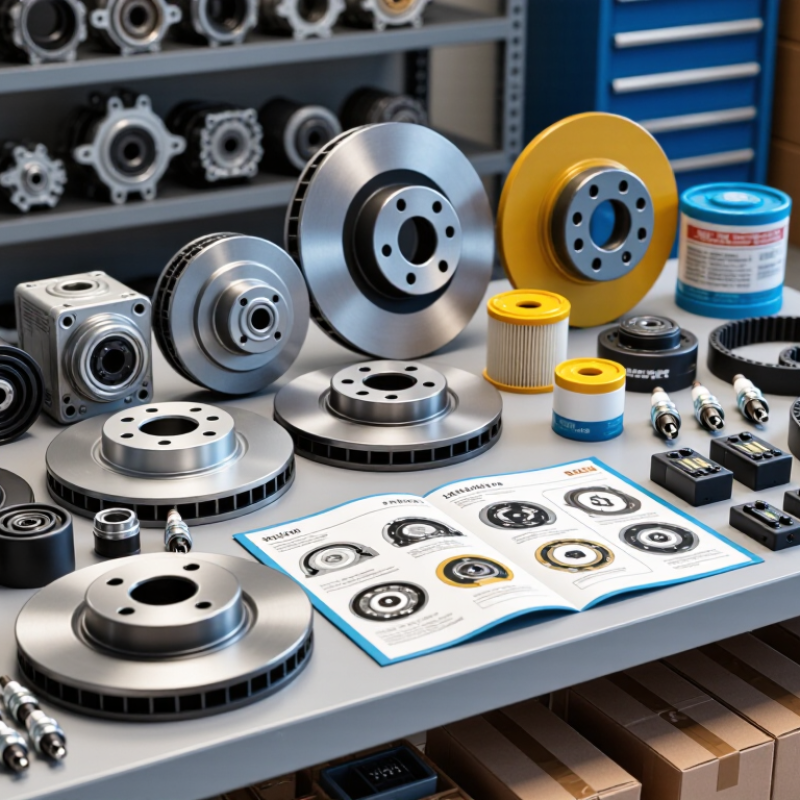
Defining Automotive Parts Suppliers and Their Role in Global Trade
An automotive parts supplier connects component makers with vehicle manufacturers, repair networks, and distributors. Some produce filters, sensors, fasteners, or brake components; others source and resell them. That distinction matters. For global buyers, suppliers turn technical requirements into purchasable goods and coordinate production, packaging, and delivery. Clear communication matters as much as price.
Across borders, suppliers help manage lead times, shipping documents, product specifications, and quality checks. Buyers should confirm that samples match written specifications and that inspection records are available. A polished catalog is not proof of a dependable process. Even experienced teams can overlook small details, such as a connector shape or label language. I have found that asking specific questions early can prevent costly confusion later. Still, supplier information may be incomplete, so verification remains essential.
Tips: Request a sample, compare it with the technical drawing, and confirm material and packaging details in writing. Ask how defects are recorded and reported. Keep agreed specifications and delivery dates in one shared document.
Market Scale: OICA Reports 93.5 Million Vehicles Produced in 2023
OICA reports that 93.5 million motor vehicles were produced worldwide in 2023. That figure shows the scale of the market served by automotive parts suppliers. It also signals a complex sourcing landscape, with production spread across regions, vehicle types, and manufacturing schedules. But total output does not reveal demand for every component. The mix matters. A buyer evaluating suppliers should compare relevant production experience, not just headline capacity.
In practice, ask how a supplier handles material traceability, inspection records, and changes to part specifications. Request realistic capacity and lead-time details, then check whether they match your order volumes and delivery locations. A stamped component may look consistent in a sample, while small variations in finish or dimensions can complicate assembly. Small details matter. OICA’s production figure is useful context, not a purchasing forecast; it cannot show which parts will be scarce or where delays may occur. That is an imperfect boundary of the statistic. Global buyers still need current supplier data, clear quality requirements, and a plan for disruptions. Lead times vary. A low quote alone may leave important questions unanswered.
Global Vehicle Production: Market Scale for Automotive Parts Suppliers
Global motor vehicle production reached 93.5 million units in 2023, surpassing its 2019 level after a sharp decline in 2020.
Source: OICA. Figures show annual global motor vehicle production.
How to Assess Suppliers: Product Range, Quality, Compliance, and Reach
Compare suppliers by usable product range, not catalogue size. Check whether they make the exact components you need, support custom specifications, and maintain stable capacity. Ask for drawings, material records, sample results, and change-control procedures. A broad range can hide thin expertise.
Quality evidence matters. ISO’s 2022 Survey recorded over 1.26 million valid ISO 9001 certificates worldwide, but certification alone does not prove part-level performance. Review audit findings, defect trends, traceability, and production approvals. The IEA’s Global EV Outlook 2024 reports that China produced more than 70% of electric cars in 2023. That concentration is a sourcing signal, not a quality verdict. Check applicable product, material, and customs documentation for each destination market.
Tips: Request a recent inspection report. Verify one shipment end to end. UNCTAD reports that more than 80% of world trade by volume moves by sea, so test shipping plans, lead times, and backup routes. A spreadsheet can miss the awkward details. Ask who handles delays, returns, and engineering changes—and get the answer in writing.
Profiles of 10 Leading Automotive Parts Suppliers for Global Buyers
These ten profiles compare supplier specialisms, not company names, so global buyers can assess fit without brand-led claims. OICA reported 93.5 million motor vehicles produced worldwide in 2023, a 10% year-on-year increase. That scale makes dependable capacity and consistent quality essential.
Powertrain suppliers provide engine or electric-drive modules; braking specialists focus on friction, control, and testing. Steering suppliers support precise handling, while thermal-management makers serve battery, cabin, and engine cooling needs. Electronics suppliers integrate control units and wiring. Sensor makers supply components for monitoring vehicle systems. Lighting suppliers balance visibility and durability. Seating and interior makers manage comfort, materials, and assembly. Chassis and suspension suppliers address load, vibration, and road conditions. Aftermarket distributors offer broad replacement-part coverage and regional stock. Fit matters.
The IEA’s Global EV Outlook 2024 estimated that electric-car sales could exceed 17 million in 2024, more than one-fifth of global car sales. Buyers should ask how suppliers handle changing specifications, traceability, and delivery delays. Compare audit records, defect rates, warranty terms, and production-site capacity—not only quoted price. A polished catalogue can hide weak evidence. And one limitation remains: published market data describes the industry, not any individual supplier’s performance. Verify samples and technical documents before committing.